
 Pin it
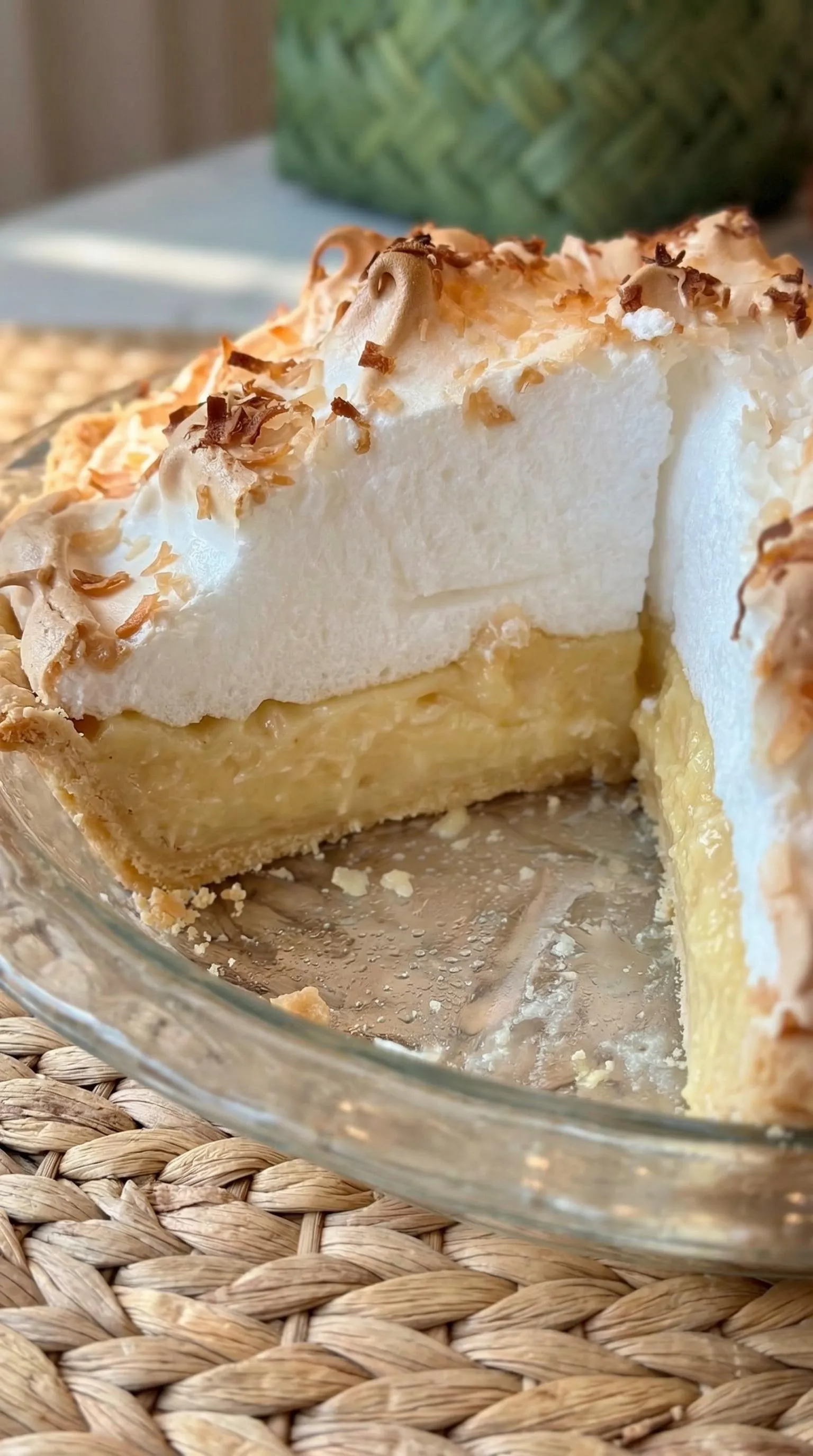
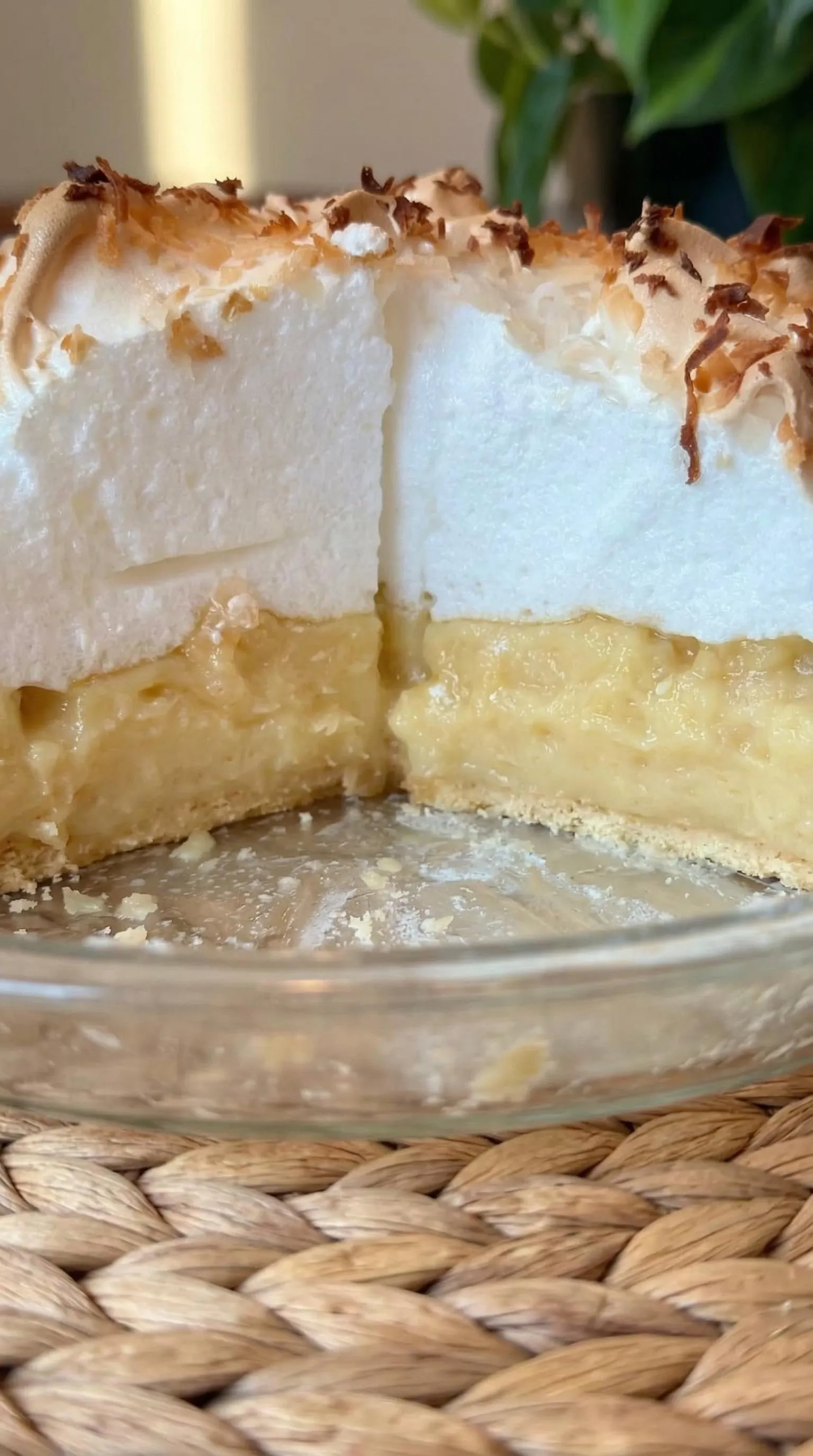
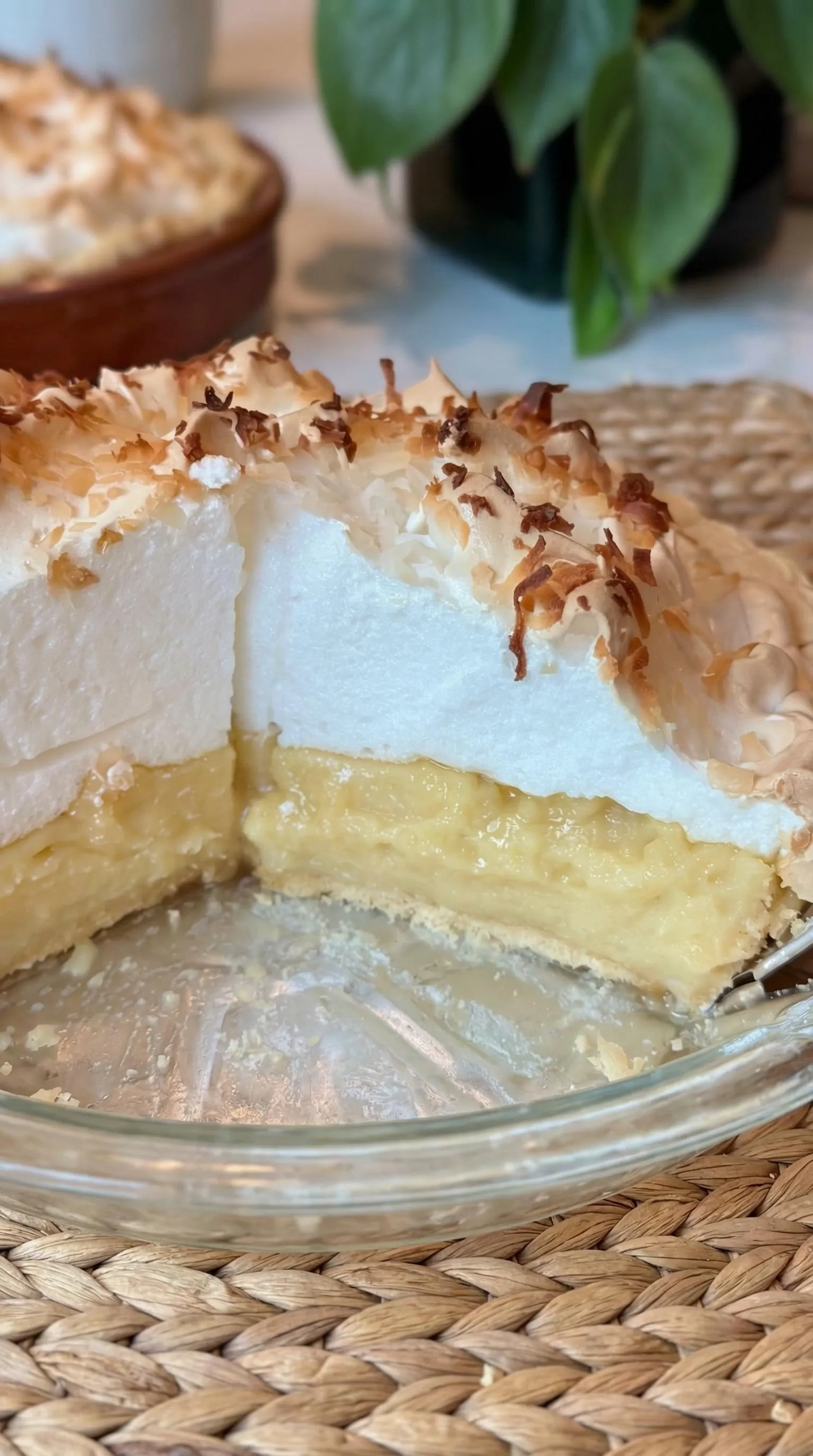
A slice of Coconut Meringue Pie is a slice of heaven filled with rich, creamy coconut custard nestled inside a flaky pie crust and topped with a fluffy, lightly toasted meringue. This classic dessert has been cherished in my family for generations because it brings together the perfect balance of textures and flavors with surprisingly simple ingredients. It’s one of those pies that feels fancy but comes together without fuss.
Ingredients
- Granulated sugar: sweetens the custard and provides structure to meringue; use fine sugar for easier dissolving
- All-purpose flour: thickens the custard creating that luscious creamy filling; choose a fresh, unbleached variety
- Evaporated milk: adds richness and smooth texture; opt for a brand without additives for the best flavor
- Egg yolks: bind the filling and enrich flavor; fresh, large eggs work best
- Milk: balances the custard’s creaminess; whole milk offers better flavor
- Butter: rounds out the filling with a velvety richness; unsalted butter lets you control the salt level
- Sweetened shredded coconut: imparts natural coconut flavor and texture; try to find shredded pieces that are neither too dry nor overly sweet
- Frozen pie shells: convenient pre-baked crusts save prep time; look for ones that bake up flaky and not too dense
- Egg whites: essential for the cloud-like meringue topping; room temperature eggs whip up better
- Marshmallow cream: softens the meringue and adds a subtle sweetness; you can find this near peanut butter or baking aisles
Step-by-Step Instructions
- Savor the Preparation:
- Preheat your oven to 350 degrees Fahrenheit to ensure a steady cooking temperature.
- Make the Custard Base:
- In a small saucepan, combine the granulated sugar with the all-purpose flour making sure they mix evenly to avoid lumps. Whisk in the evaporated milk and egg yolks slowly for a smooth blend. Place the pan over medium heat gently stirring the mixture constantly. Continue stirring and gradually add the milk; the sugar should dissolve thoroughly by this point, and the filling will start to thicken as it warms. Add the butter and keep stirring as the custard comes to a gentle boil and thickens further, about five to seven minutes. It should bubble lightly or “burp” gently signaling it’s ready.
- Incorporate the Coconut:
- Turn off the heat and carefully fold in half a cup of shredded coconut, mixing it evenly so the custard is speckled with coconut bits.
- Fill the Pie Shells:
- Pour or spoon the coconut custard filling equally into the pre-baked pie shells, filling them almost to the rim.
- Prepare the Meringue:
- In a perfectly clean and dry bowl, beat the egg whites on medium speed until frothy, about one to two minutes. Gradually add the granulated sugar while continuing to whip, allowing the mixture to become stiff and glossy with firm peaks. Fold in the marshmallow cream, beating at medium speed just long enough to combine it evenly and create a smooth, spreadable texture.
- Top the Pie:
- Quickly spread the meringue over the hot custard filling, pushing it all the way to the edges to seal the meringue to the crust and prevent shrinking during baking. Use a spoon to create pretty swirls and peaks. Sprinkle the remaining shredded coconut evenly over the meringue.
- Bake and Brown:
- Place the pies in the oven and bake for about fifteen to seventeen minutes until the meringue is golden-brown on top and looks slightly toasted.
Storage Tips
Store leftover pie covered loosely with foil or plastic wrap in the refrigerator for up to three days. Keep in mind the flaky crust may soften slightly over time but the flavors intensify. For longer storage, you can freeze the unbaked pie with filling but without meringue, then add and bake the meringue fresh once thawed.
Ingredient Substitutions
If you cannot find marshmallow cream, you can substitute with homemade whipped egg whites and a bit of sugar, or top with fresh whipped cream for a different but delicious finish. For coconut, unsweetened shredded coconut works if you prefer less sweetness and want a more natural coconut bite.
Serving Suggestions
Serve chilled or at room temperature with a cup of strong coffee or lightly brewed tea to balance the pie’s richness. A few fresh berries on the side add a lovely bright note and extra color on the plate.
Cultural Context
Coconut Meringue Pie has roots in American Southern cooking, where coconut desserts became popular in the early 20th century as canned coconut and evaporated milk became widely available. The pie represents a nostalgic comfort food that blends tropical flavors with traditional pie-making techniques.
Frequently Asked Questions
- How do I achieve a flaky pie crust?
Use cold butter cut into the flour and avoid overworking the dough. Chilling the dough before baking helps maintain flakiness.
- What makes the coconut custard creamy?
The combination of evaporated milk, egg yolks, and butter gently cooked together creates a smooth, luscious custard.
- How can I ensure the meringue doesn’t shrink during baking?
Spread the meringue to the edges of the pie crust to seal it, preventing shrinkage as it bakes into a golden topping.
- Can I use fresh coconut instead of shredded coconut?
Yes, fresh coconut flakes can be used, but shredding larger flakes finer helps maintain the custard’s smooth texture.
- What is the best way to whip the meringue for topping?
Beat egg whites until frothy, slowly add sugar, and continue until stiff glossy peaks form. Gently fold in marshmallow cream for a soft finish.
- Can I substitute whipped cream for the meringue topping?
Yes, fresh whipped cream can be used as an alternative topping once the pie is completely cooled for a lighter finish.
