
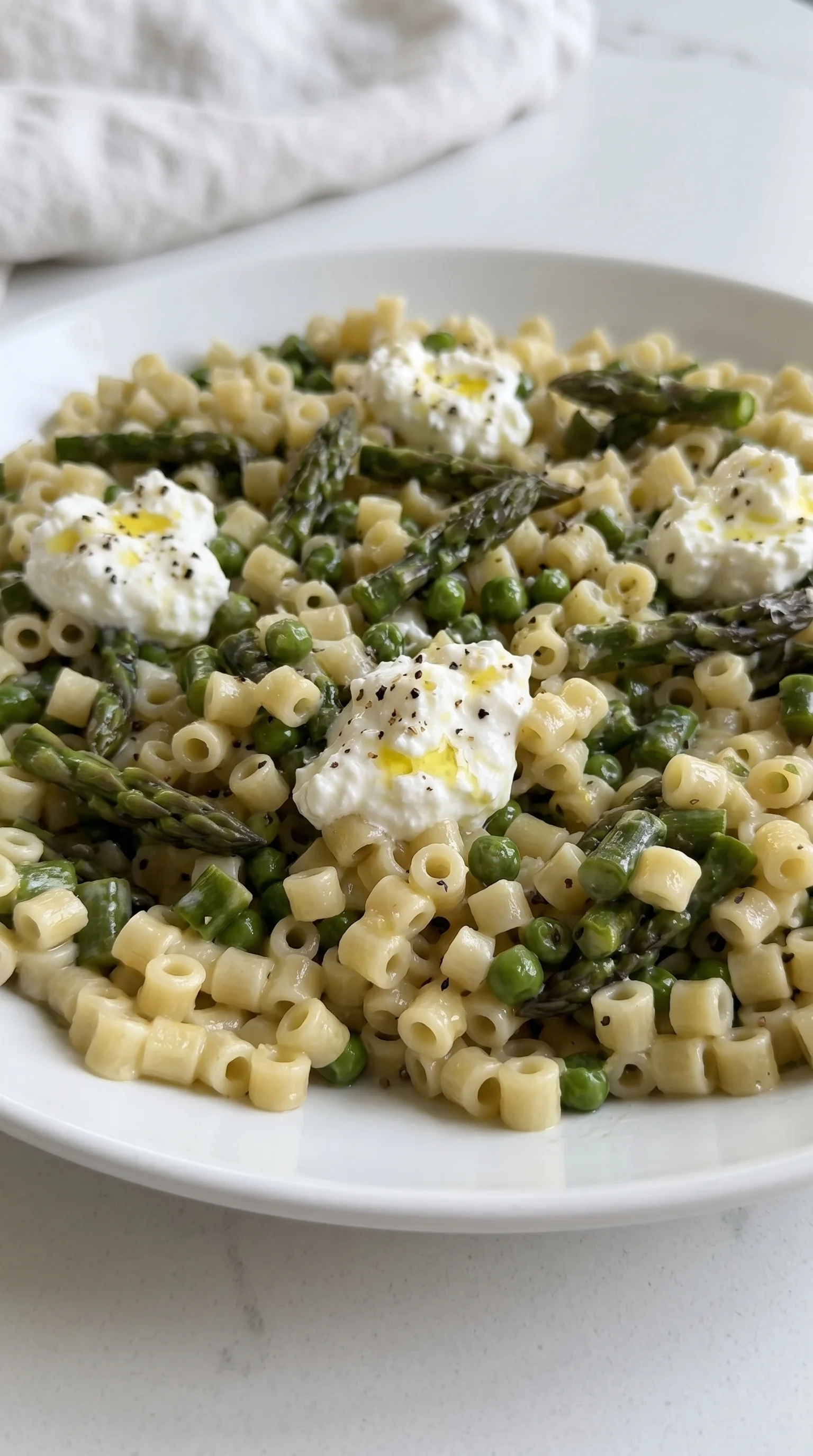
 Pin it
This pasta with peas and asparagus captures the essence of spring in every bite. It’s a light yet comforting dish that blends fresh vegetables with a rich creamy sauce, perfect for a weekday supper or a relaxed weekend lunch.
I first cooked this straight from the farmer’s market bounty, and it has become a favorite whenever those tender asparagus and sweet peas appear in season. It’s one of those dishes that feels both special and effortless.
Ingredients
- Butter: for a rich base and silky cooking medium
- Shallot: chopped finely to add sweetness and aroma choose firm and dry shallots without any sprouting
- Fresh peas: about eight ounces bring a natural sweetness and pop shell them fresh if you can frozen works well too
- Asparagus: chopped into small pieces to cook evenly look for firm stalks with bright green tips
- Salt and pepper: to balance and enhance the flavors
- Small pasta: like ditalini cooks quickly and catches the sauce gently you can substitute with other small shapes like elbow macaroni or small shells
- Heavy cream: half to three quarters cup adds creaminess without overpowering pick a good quality full-fat cream for best results
- Parmesan cheese: grated for salty depth and silky melting texture freshly grated always beats pre-grated
- Stracciatella cheese: optional for an indulgent topping creamy and luscious for an extra layer of texture
- Lemon zest: to brighten the dish with a fresh citrus kick
- Olive oil: for drizzling at the end adds richness and a fruity finish
Step-by-Step Instructions
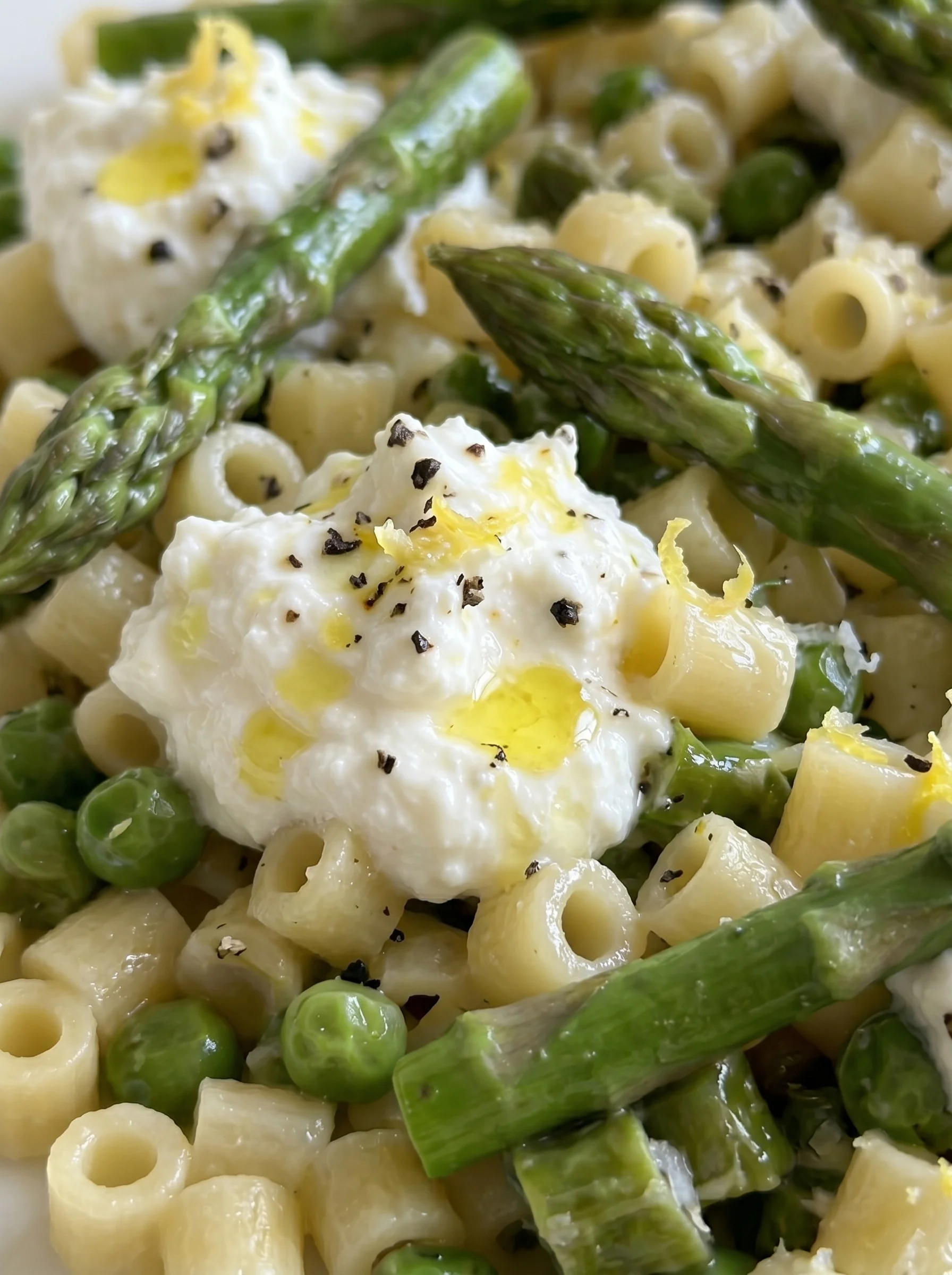
- Sauté the Shallots:
- Melt four tablespoons of butter in a large skillet over low heat. Add the shallots and cook gently until softened and fragrant but not browned about five minutes. This slow cooking brings out their sweetness and builds a gentle flavor base.
- Cook the Vegetables:
- Add the peas and chopped asparagus to the skillet. Stir and cook in the butter for three to five minutes until crisp tender. The vegetables should still have a bit of snap to them keeping the dish fresh and bright.
- Par-Cook the Pasta:
- While the vegetables cook bring a pot of salted water to boil. Add eight ounces of the small pasta and cook until it is halfway done usually about half the package time. This ensures the pasta finishes cooking in the sauce without becoming mushy.
- Combine Pasta and Veggies:
- Drain the pasta but reserve some pasta water. Add the pasta directly to the skillet with the vegetables. Pour in some pasta water as needed and continue cooking stirring gently until the pasta is tender and the mixture begins to thicken into a creamy consistency.
- Finish with Cream and Cheese:
- Lower the heat and stir in half to three quarters cup of heavy cream. Let it warm gently so it blends smoothly without boiling. Remove the skillet from heat and stir in half a cup of freshly grated Parmesan cheese until melted and incorporated.
- Garnish and Serve:
- If using top with a generous spoonful of stracciatella for a creamy contrast. Sprinkle the zest of one lemon over the dish and finish with a drizzle of good olive oil. Add freshly cracked black pepper to taste before serving.
One of my favorite things about this recipe is how the lemon zest lifts the creaminess just enough to make it feel light and fresh. I have fond memories of making this on the first warm day of spring when the market stalls burst with peas and asparagus. The kitchen smelled like the season itself.
Storage Tips
Store leftovers in an airtight container in the refrigerator for up to two days. Reheat gently on the stove adding a splash of cream or pasta water to loosen the sauce. Since the cream and fresh vegetables don’t freeze well I recommend enjoying this dish fresh.
Ingredient Substitutions
You can swap shallots for finely chopped onion if needed but the delicate flavor won’t be quite the same. Frozen peas work well when fresh aren’t available. Substitute cream with half and half or whole milk for a lighter sauce but reduce the quantity to avoid it becoming too thin. Other small pasta shapes like orzo or small shells can stand in for ditalini.
Serving Suggestions
Pair this pasta with a crisp green salad tossed in lemon vinaigrette for a bright contrast. A glass of chilled white wine like Pinot Grigio or Sauvignon Blanc complements the fresh flavors. Leftover pasta can also be served cold as a pasta salad drizzled with olive oil and a sprinkle of Parmesan.
Frequently Asked Questions
- Can I use different pasta shapes?
Yes, small pasta shapes like ditalini work best, but you can substitute with elbows or small shells for similar texture.
- How do I keep peas and asparagus crisp?
Cook the peas and asparagus briefly over low heat in butter to maintain a crisp-tender texture without overcooking.
- What cheese can I use instead of Parmesan?
Grana Padano or Pecorino Romano are great alternatives that add a similar salty, nutty flavor.
- Is stracciatella necessary?
Stracciatella is optional, but it provides a creamy richness that complements the light vegetables beautifully.
- How is the creamy sauce achieved?
The cream added toward the end, combined with pasta water and cheese, creates a smooth and silky sauce coating the pasta and veggies.
