
 Pin it
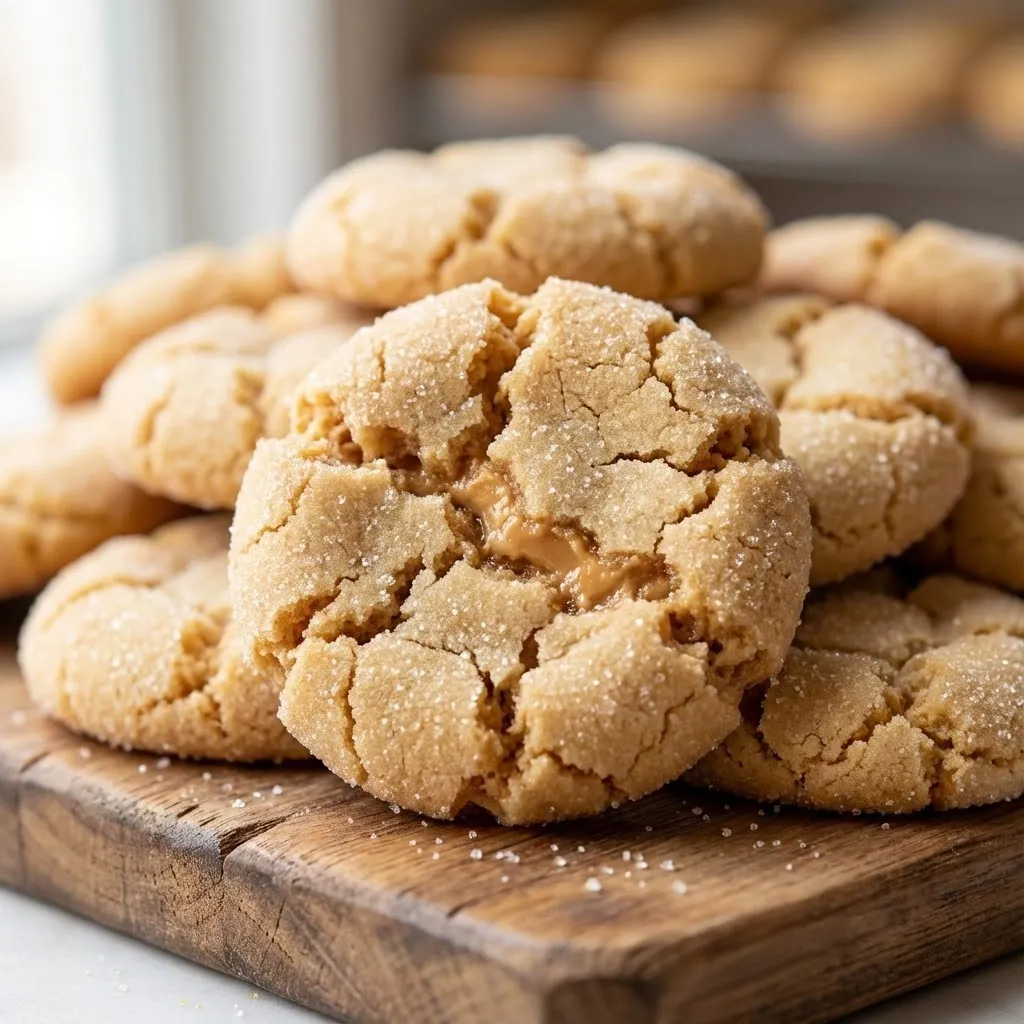
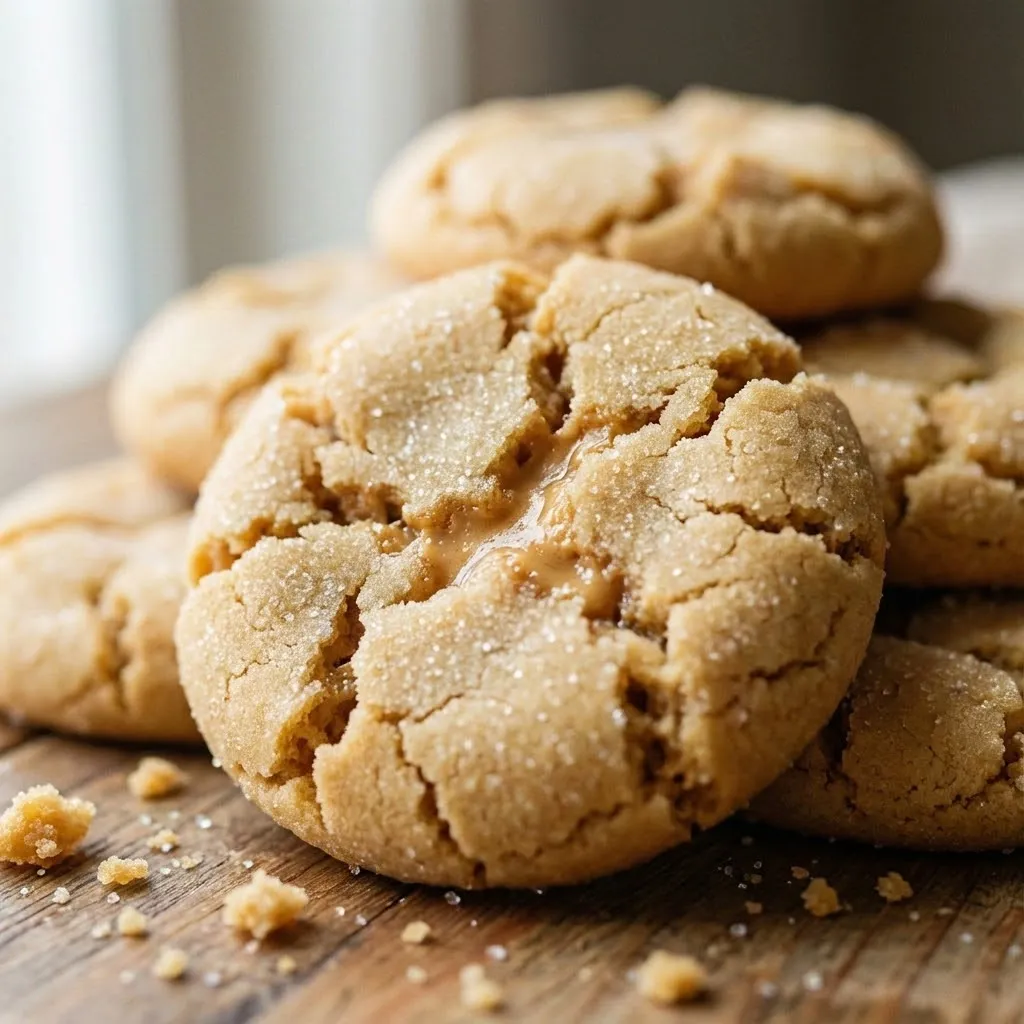
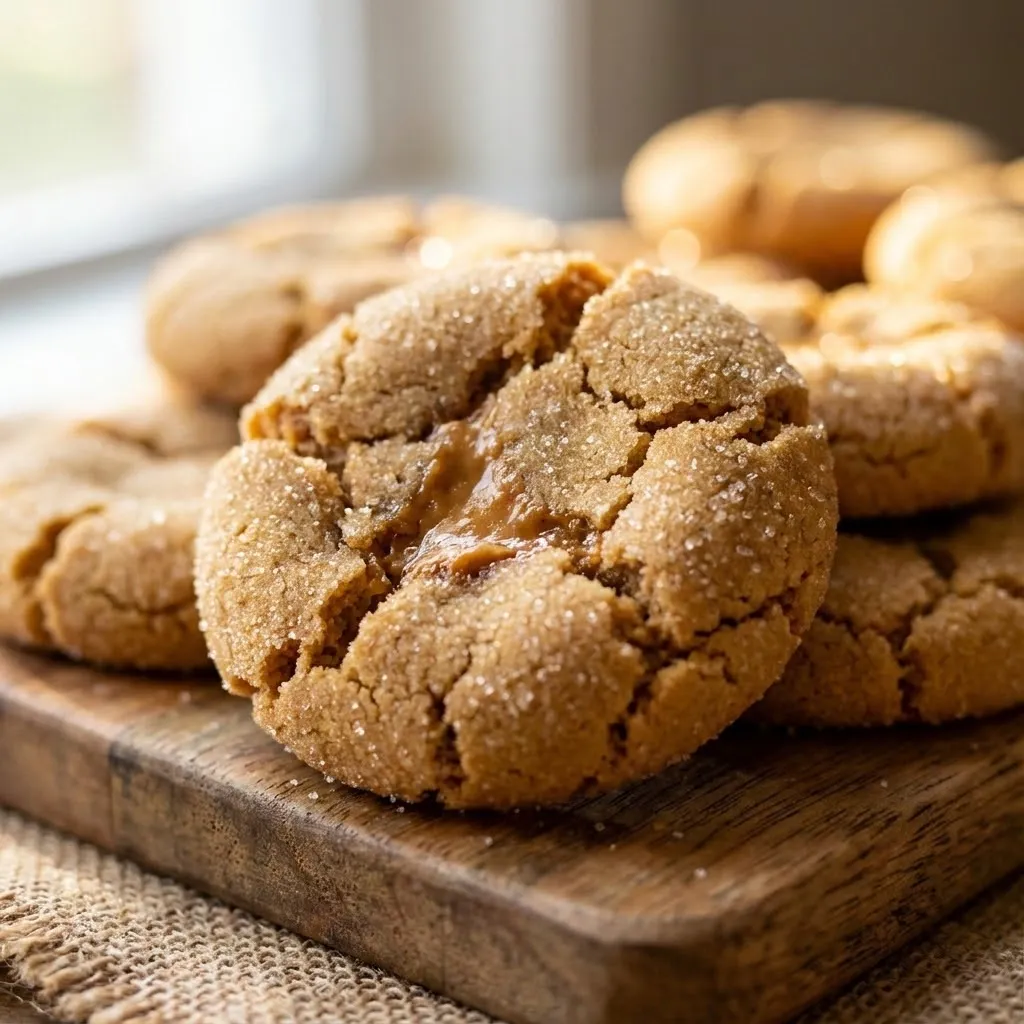
These bakery-style thick peanut butter meltaway cookies are everything you want in a peanut butter cookie but more. Ultra-thick bodies with soft, tender centers that almost vanish on your tongue make these treats feel like they came straight from a high-end bakery. You get that rich peanut butter flavor without any fork marks or flattening tricks needed.
Ingredients
- Creamy peanut butter: the base of the cookie and key for that smooth, rich flavor. Avoid natural peanut butter as it changes texture
- Unsalted butter softened: adds creaminess and helps with the melt-in-your-mouth feel
- Powdered sugar: combines with brown sugar to give the cookies subtle sweetness and tenderness
- Light brown sugar packed: deepens flavor and keeps cookies soft
- One large egg: binds the dough and adds moisture
- Vanilla extract: enhances the peanut butter flavor
- All-purpose flour: the structure of the cookie, scoop and level for best results
- Salt: balances sweetness and elevates flavor
Step-by-Step Instructions
- Scoop and prep:
- Preheat your oven to 350 degrees Fahrenheit and line your baking sheets with parchment paper. This lets the cookies bake evenly and prevents sticking.
- Cream together fats and sugars:
- In a large bowl, beat the softened butter, creamy peanut butter, powdered sugar, and brown sugar until smooth and fluffy. This usually takes 2 to 3 minutes and is the flavor foundation.
- Add in egg and vanilla:
- Beat in the egg and vanilla extract until everything is combined fully and creamy. This step ensures your dough is slightly sticky and ready for flour.
- Mix in dry ingredients:
- Add the flour and salt into the peanut butter mixture. Stir gently just until you see a soft and thick dough form. Overmixing here can make cookies tough, so stop as soon as it comes together.
- Shape cookies:
- Measure out about two and a half tablespoons of dough for each cookie. Roll each into balls and place them on your lined baking sheet, spacing evenly. Resist the urge to flatten or press down the dough by fork or hand. This keeps them thick and bakery-like.
- Bake with care:
- Place your trays in the oven for 10 to 12 minutes. You want the edges to look set but the centers still soft and slightly underbaked. This ensures meltaway centers when cooled.
- Cool slowly:
- Let the cookies rest on the pan for about 10 minutes. During this time, the natural swirl and signature shape form perfectly before you transfer them to a wire rack to cool completely.
Storage Tips
Store cookies in an airtight container at room temperature to keep them soft and chewy. Avoid the fridge as it can dry them out and toughen the texture. If you want to keep them longer, freeze your cookie dough balls before baking or the baked cookies themselves. Thaw gently at room temperature for best softness.
Ingredient Substitutions
You can try natural peanut butter if you want but note the dough might be crumbly and the texture less tender. Smooth almond butter is another nutty alternative, though the flavor will shift. Brown sugar can be swapped for coconut sugar, but the cookies will be less soft and chewy. Always use unsalted butter to control salt levels in the final cookie.
Serving Suggestions
These cookies are amazing on their own or paired with a cold glass of milk or your favorite coffee. Add a scoop of vanilla ice cream for a simple but decadent dessert. They also make a great gift when stacked in a pretty tin or wrapped in parchment paper tied with ribbon.
Cultural and Historical Context
Peanut butter cookies started becoming popular in the United States during the 1930s when peanut butter was becoming a pantry staple. The traditional fork-pressed cookie has evolved in many bakeries to these tall, soft versions that highlight the creamy texture and rich flavor of peanut butter. This recipe channels old-fashioned comfort but with a modern bakery twist.
Frequently Asked Questions
- What type of peanut butter is best to use?
Creamy peanut butter is preferred for this dough as it provides a smooth texture. Natural peanut butter can change the consistency and result in less tender cookies.
- Why should the cookies not be flattened or fork-pressed?
Avoiding flattening helps retain the dough’s thickness and creates the signature tall, bakery-style shape with soft centers.
- How can I achieve soft, meltaway centers?
Removing the cookies from the oven while the edges are set but centers appear slightly underbaked helps keep the centers tender after cooling.
- Is it necessary to let the cookies cool on the baking pan?
Yes, cooling on the pan allows the natural swirl to form and helps maintain the soft texture without breaking.
- How should these cookies be stored?
Store in an airtight container at room temperature for up to four days to preserve freshness and softness.
- Can I substitute all-purpose flour for other flours?
All-purpose flour provides the right structure and tenderness. Using other flours may alter texture and baking time.
