
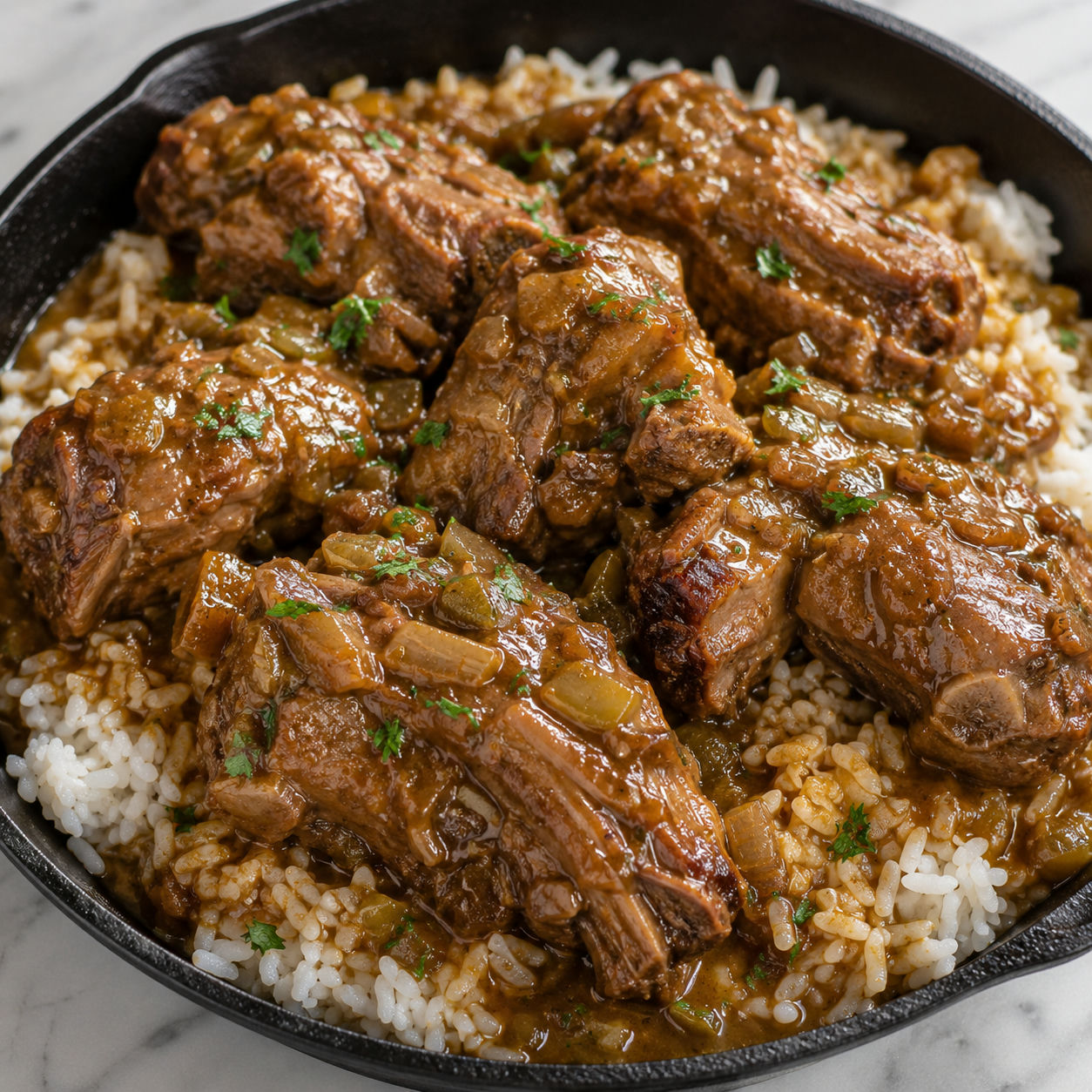
 Pin it
Smothered Southern Turkey Necks over Rice is the kind of meal that asks for patience and pays you back in gravy. The necks start out tough, but a slow braise turns the meat tender enough to pull away from the bone with a fork.
I like this version because the gravy is built in layers. You brown the turkey first, soften the vegetables in the same pot, then let the broth, flour, and pan drippings do their work.
What Builds The Gravy
Start with fresh, meaty turkey necks and trim away any loose excess fat. The vegetables should be cut small so they melt into the gravy instead of floating around in big pieces.
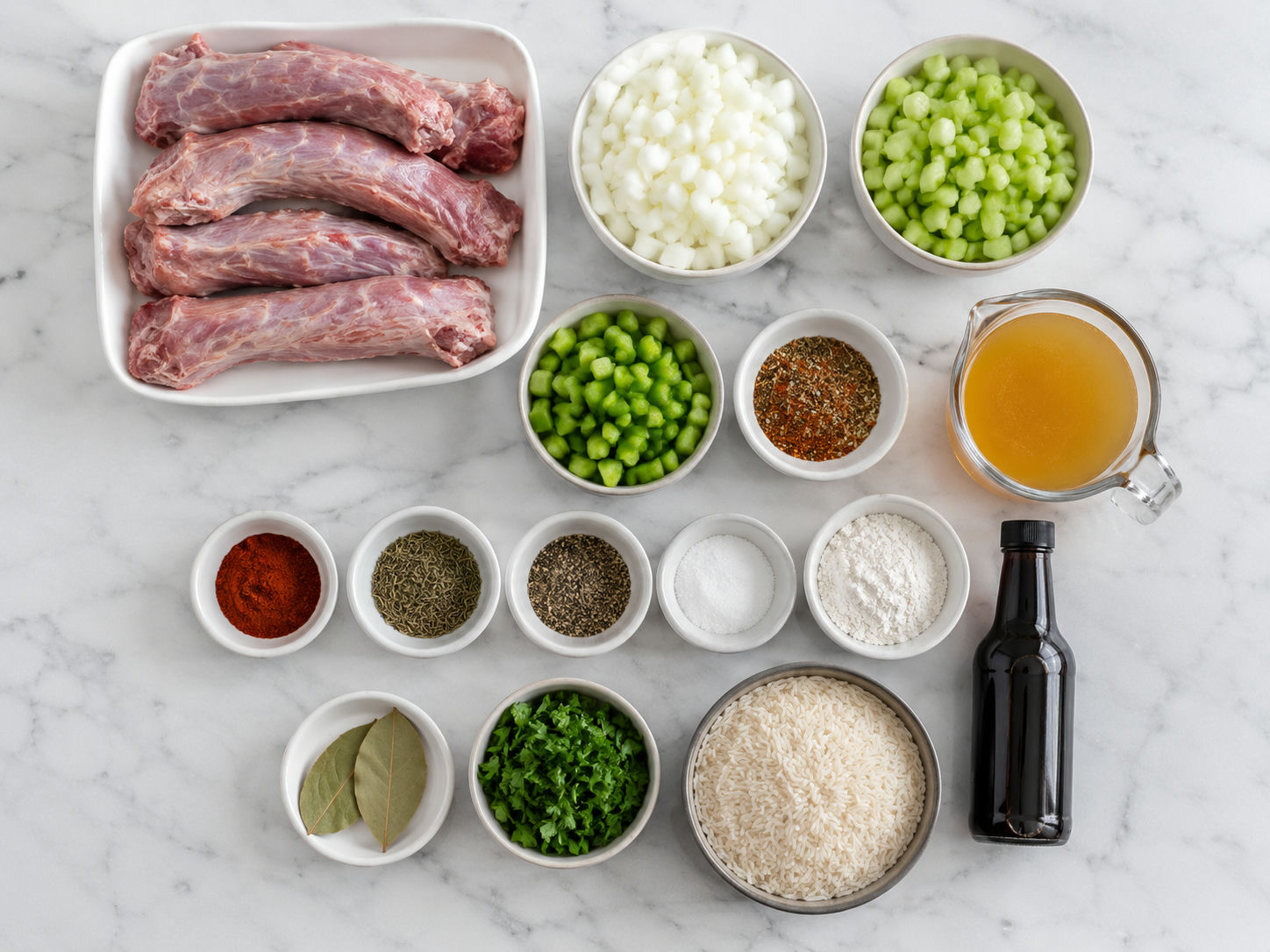
- Turkey necks. The main protein, full of bone, meat, and collagen that enriches the gravy during the long braise.
- Onion, celery, and bell pepper. The Southern vegetable base that gives the gravy sweetness and depth.
- Garlic. Adds a warm bite after the vegetables soften.
- Creole seasoning. Brings paprika, pepper, herbs, and salt in one balanced layer.
- Smoked paprika and thyme. Add round, savory flavor without needing smoked meat.
- Flour. Thickens the pot liquor into a spoon-coating gravy.
- Chicken or turkey broth. Braises the meat and keeps the gravy full-bodied.
- Long-grain white rice. Gives the gravy a clean, fluffy base.
How The Pot Gets Tender
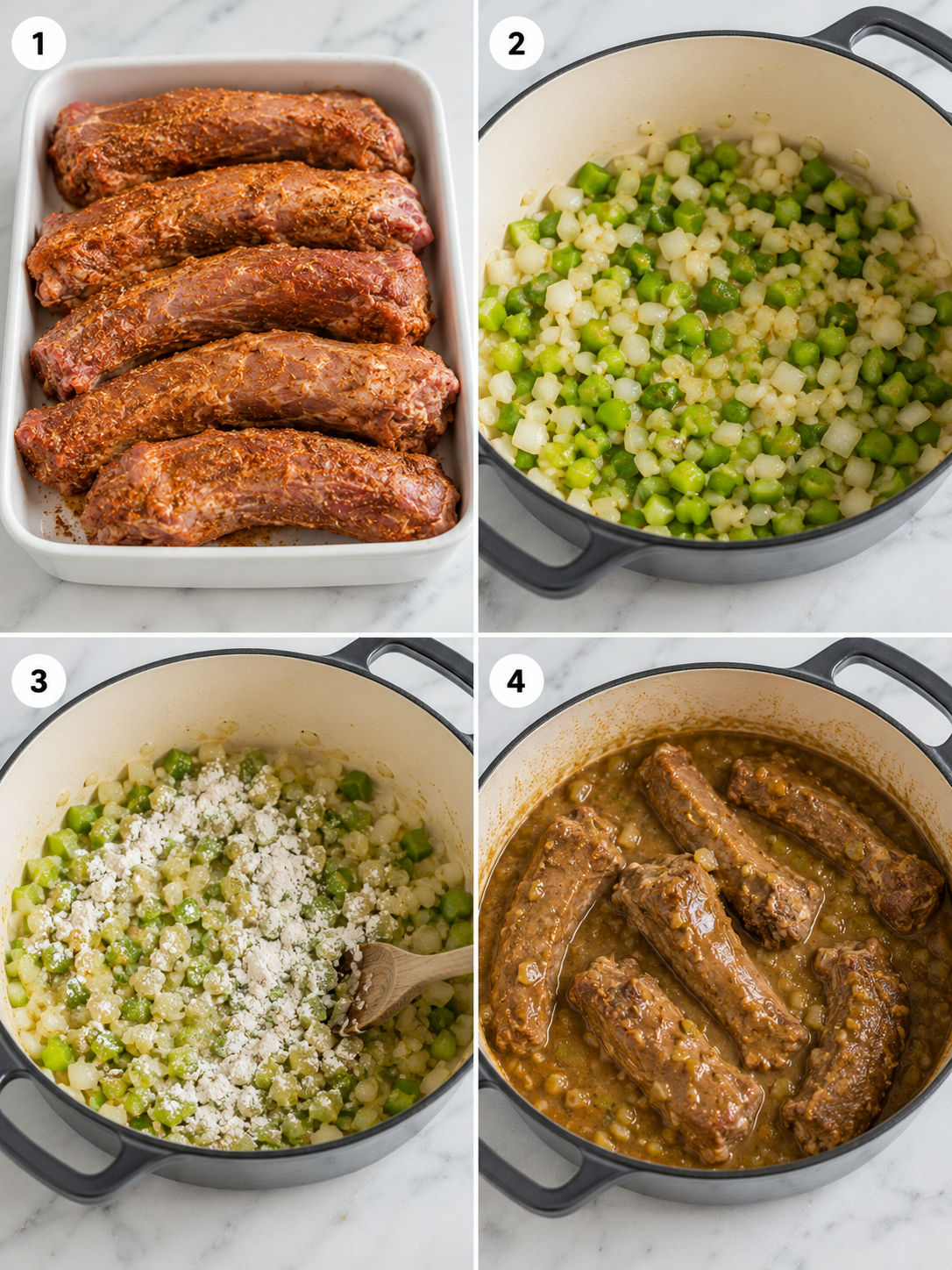
- Season the necks. Pat the turkey necks dry, then rub them with oil, Creole seasoning, paprika, thyme, garlic powder, black pepper, and a little salt.
- Brown the meat. Sear the necks in a heavy pot until the outside has color. That browned layer gives the gravy a deeper taste.
- Cook the vegetables. Add onion, celery, and bell pepper to the same pot. Scrape the bottom as they soften, then stir in the garlic.
- Toast the flour. Sprinkle flour over the vegetables and cook for a minute or two. It should smell lightly nutty, not raw.
- Braise low and slow. Whisk in broth, add Worcestershire sauce and bay leaves, then return the turkey necks. Cover and simmer gently until very tender.
- Serve over rice. Spoon hot rice into bowls, add the turkey necks, and ladle plenty of gravy over the top.
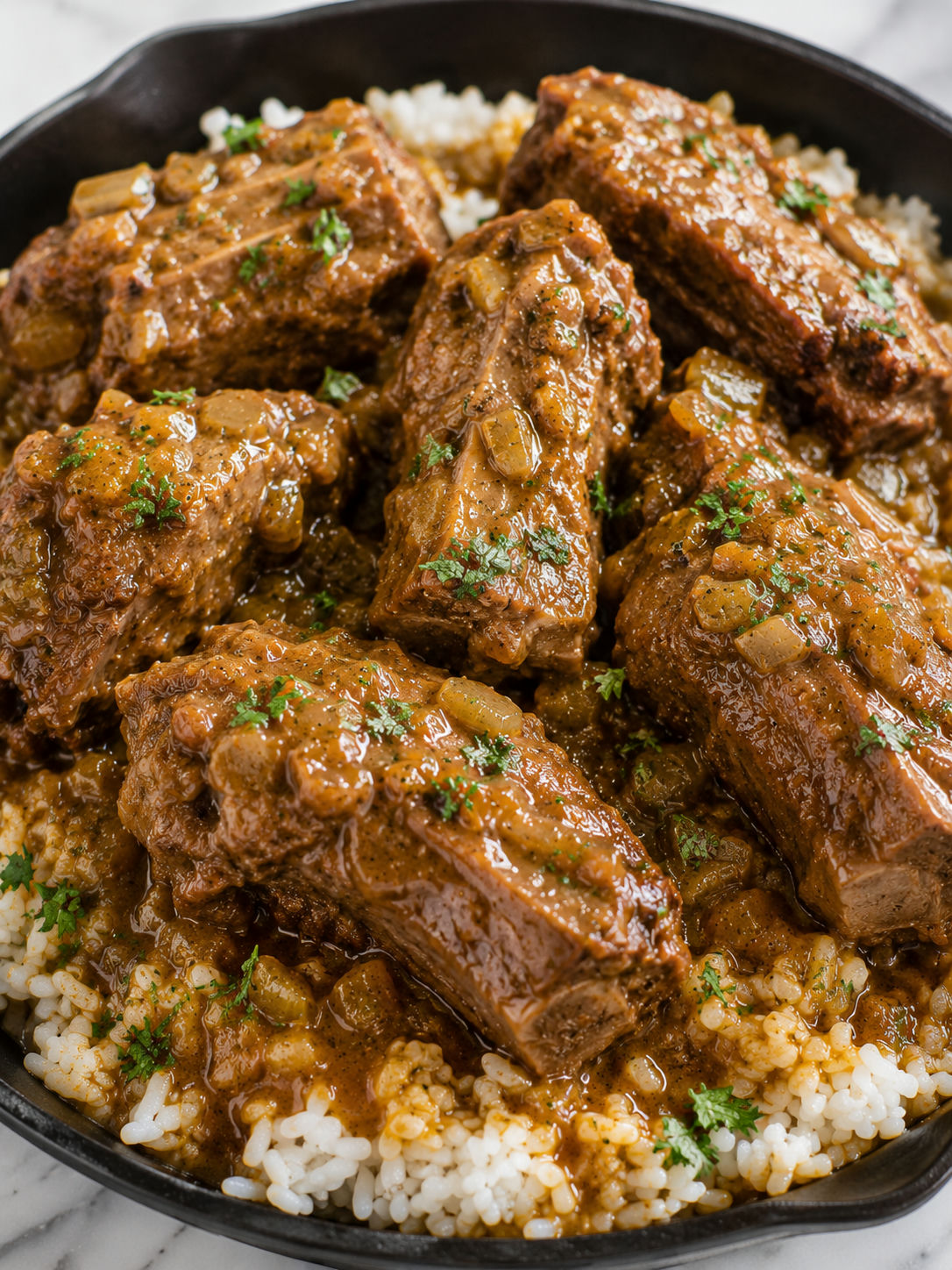
Smothered Southern Turkey Necks Over Rice
The best bowl has three parts working together. You want fluffy rice, tender turkey, and enough gravy to soak down without turning the whole plate soupy. Cook the rice separately so you can control the texture. I use plain long-grain white rice with a little salt, then let the turkey gravy do the talking.
This recipe sits in the same comfort-food lane as creamy smothered chicken and rice, but turkey necks have a deeper flavor because the bones stay in the pot the whole time. If you like rice dishes with big seasoning, Cajun dirty rice is another strong match for the same kind of table.
Brown First For Better Gravy
Do not rush the browning step. A pale turkey neck can still cook through, but it will not give you the same rich gravy. Patting the meat dry matters because wet meat steams before it sears. Give the pieces space in the pot and brown in batches if needed.
After the turkey comes out, the vegetables loosen the browned bits stuck to the bottom. Those bits are concentrated flavor. This is the same reason many smothered dishes taste better from a heavy Dutch oven than from a thin pan. If the bottom gets too dark, lower the heat and add a splash of broth before the garlic goes in.
Keep The Simmer Gentle
Turkey necks need time more than force. A hard boil can make the meat tighten before the connective tissue has a chance to soften. Keep the pot at a quiet simmer, with small bubbles around the edges and the lid slightly cracked if the gravy is reducing too quickly.
The USDA gives 165°F as the safe internal temperature for turkey, and you can read more in its turkey cooking guidance. For this dish, safe is only the first checkpoint. The necks are ready when a fork slides in easily and the meat loosens from the bone. Many Southern versions, including the ones from Food Fidelity and Black People's Recipes, lean on slow cooking for that reason.
Swaps For The Same Comfort
If you cannot find turkey necks, turkey wings are the closest swap. They have enough skin, bone, and connective tissue to make a good gravy. Chicken wings also work, but they cook faster, so start checking tenderness around 75 minutes. Smoked turkey necks are welcome too. Use less seasoning salt and expect a stronger, ham-like flavor.
For a gluten-free gravy, skip the flour and thicken at the end with cornstarch. For more heat, add cayenne or hot sauce once the gravy is almost done. A splash of apple cider vinegar at the table brightens the richness. For a full Southern plate, add red beans and rice on another night, or serve this with Southern drop buttermilk biscuits to catch extra gravy.
Leftovers Need A Skillet
Leftovers keep well because the gravy protects the meat. Store the turkey necks and gravy together in the refrigerator, but keep the rice in its own container. Rice absorbs liquid as it sits. Separate storage keeps the next bowl from turning mushy.
Reheat the turkey necks covered in a skillet over medium-low heat with a splash of broth or water. Turn the pieces gently so they do not fall apart before they are hot. Warm the rice separately, then spoon the revived gravy over it. The flavor is often even better the next day because the seasoning has settled into the sauce.
Conclusion
Smothered Southern Turkey Necks over Rice is slow food in the best way. Brown the meat, build a seasoned onion gravy, and let the pot simmer until the turkey is tender enough to pull from the bone.
Frequently Asked Questions
- How long do turkey necks take to get tender?
Plan on about 2 1/2 to 3 hours for stovetop braising. They are safe before that point, but tenderness is the real goal. The meat should pull from the bone easily when nudged with a fork.
- Can I use smoked turkey necks?
Yes, but use a lighter hand with salt because smoked turkey necks are often seasoned already. They bring deeper flavor and may cook a little faster. Taste the gravy before adding any final seasoning.
- Can I make this without flour?
Yes. Skip the flour and simmer the liquid down longer, or thicken the finished gravy with a cornstarch slurry. Use 1 tablespoon cornstarch mixed with 1 tablespoon cold water for a gluten-free option.
- What rice is best with smothered turkey necks?
Long-grain white rice works best because it stays fluffy and soaks up gravy without turning heavy. Jasmine rice is good too. Avoid overcooked rice because the gravy will soften it more on the plate.
- How do I store leftovers?
Store turkey necks and gravy in an airtight container in the refrigerator for 3-4 days. Keep the rice separate if possible. Reheat gently in a covered skillet with a splash of broth or water.
- What should I serve with turkey necks over rice?
Serve them with greens, green beans, cabbage, cornbread, or a crisp salad. The dish is rich, so something green or tangy helps balance the plate.
