
 Pin it
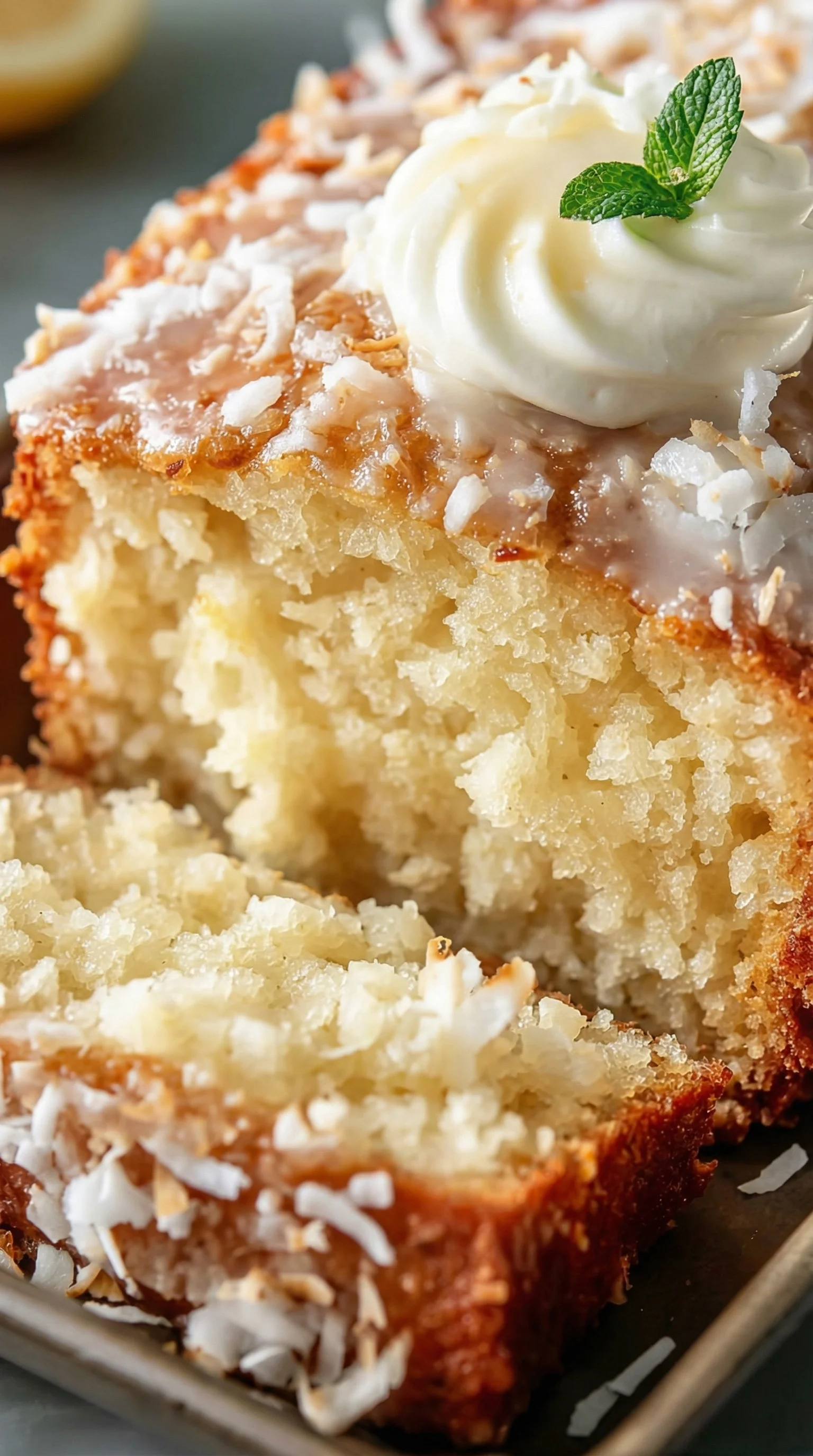
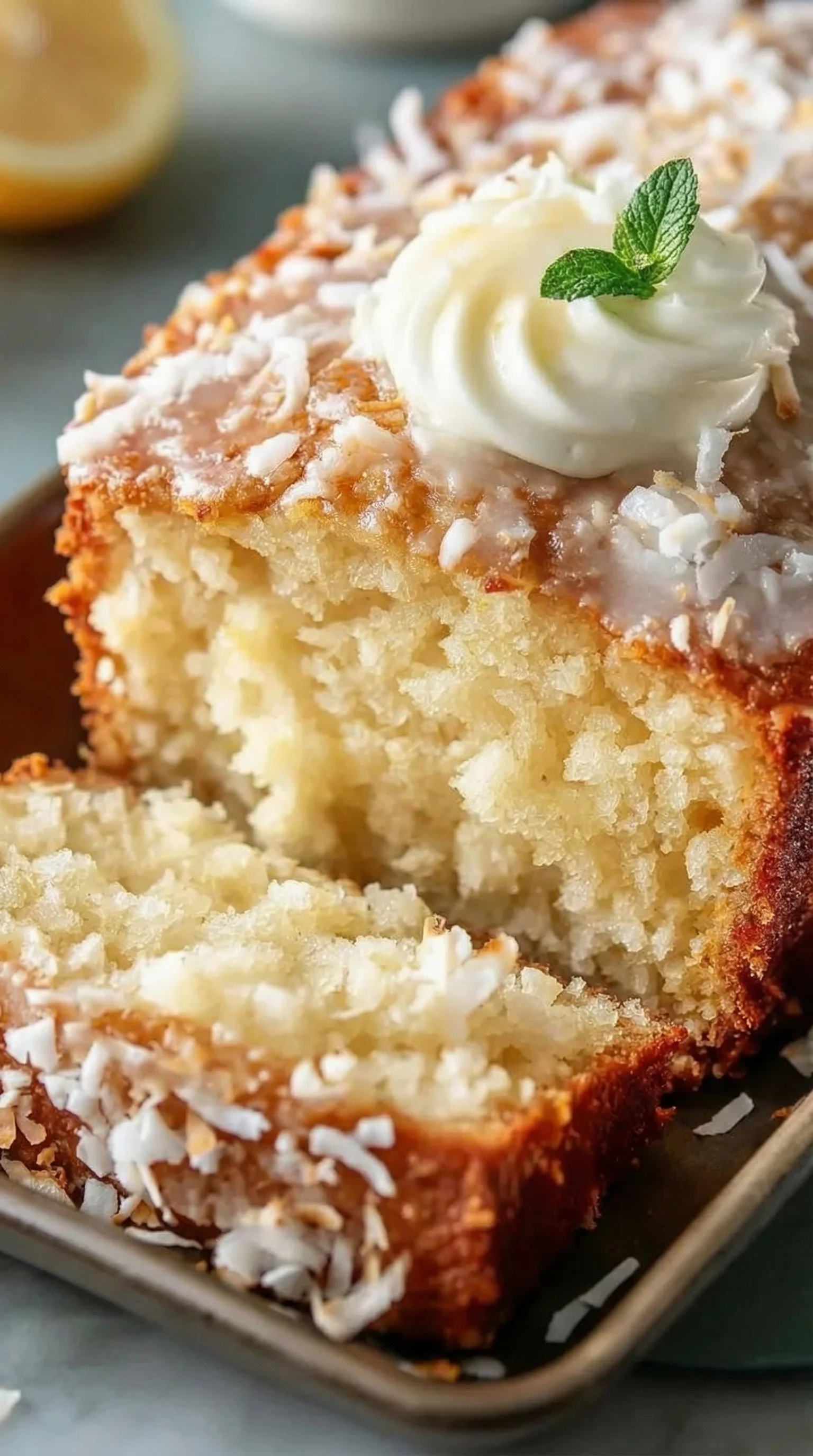
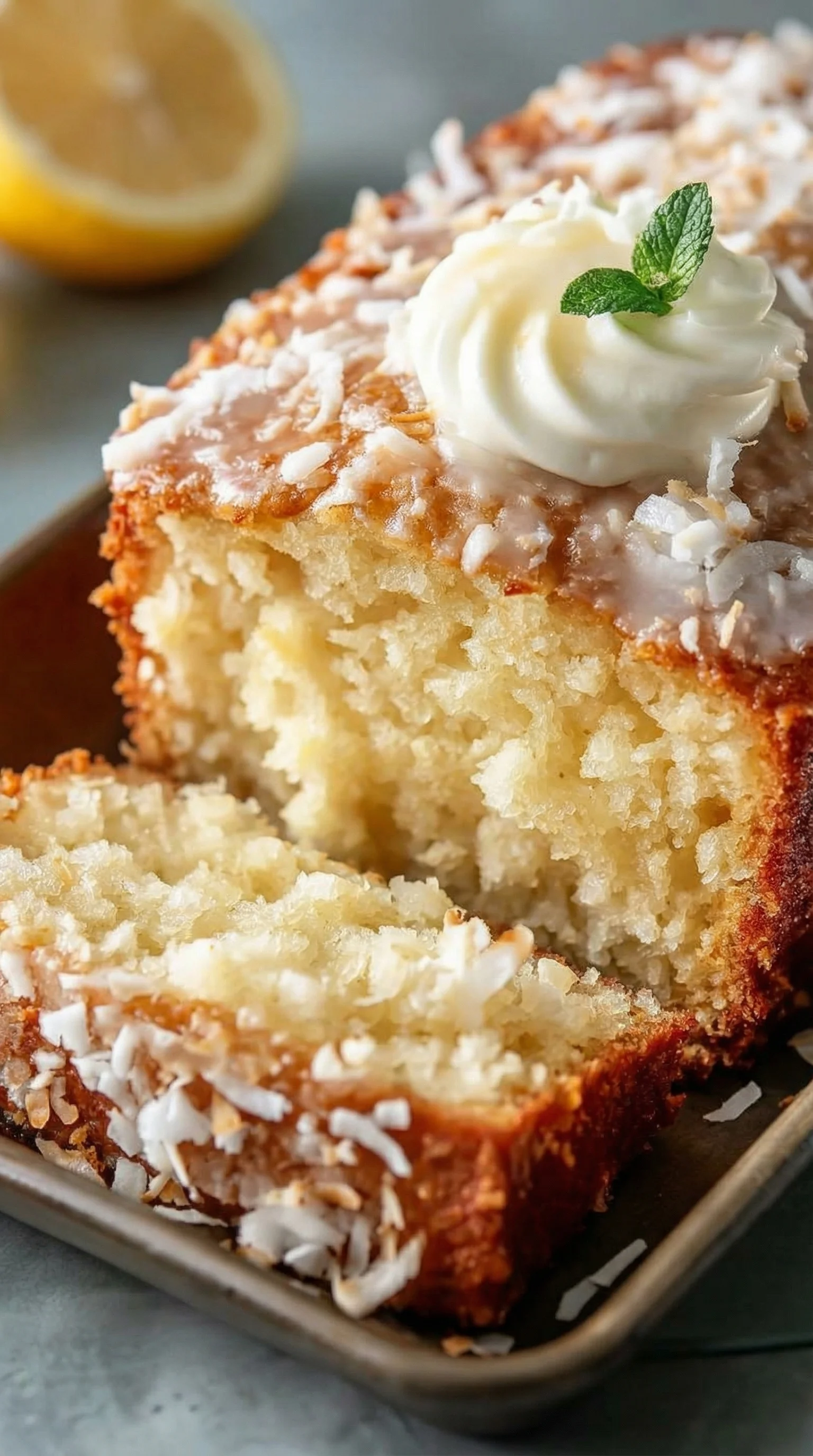
This moist coconut loaf cake is buttery, easy to make, and topped with a sweet coconut glaze that makes every bite feel like a little celebration. It works perfectly for brunch, afternoon tea, or even a simple dessert to brighten up your day.
I first baked this when I wanted something sweet but not too heavy for a spring gathering. It was such a hit that friends kept asking for the recipe and I found myself making it all year round.
Ingredients
- Unsalted butter: Provides richness and moistness go for good quality butter for the best flavor I like European-style butter when I can find it
- Granulated sugar: Sweetens the cake evenly measure properly to balance sweetness
- Large eggs: Help bind the cake and add structure use fresh eggs for best rise
- Vanilla extract: Adds warmth and depth pure vanilla really makes a difference here
- Almond extract: Just a touch to enhance the coconut flavor
- All-purpose flour: Forms the base of the cake sift for a lighter texture
- Baking powder: Leavens the loaf so it rises nicely
- Salt: Balances sweetness and enhances all the flavors
- Unsweetened coconut milk (canned): Adds moisture and subtle coconut flavor shake the can well before opening
- Shredded coconut (sweetened): Brings texture and coconut taste use freshly shredded if possible for extra flavor
- Coconut glaze ingredients: include confectioners sugar unsweetened coconut milk and vanilla extract which create a smooth and sweet topping that complements the loaf perfectly
Step-by-Step Instructions
- Sift and combine the dry ingredients:
- Combine the flour baking powder and salt in a bowl and stir them with a fork until thoroughly mixed. This ensures even distribution of leavening agents for a uniform rise.
- Cream the butter and sugar:
- In an electric mixer fitted with a paddle attachment beat the unsalted butter and granulated sugar on medium speed for about three minutes until the mixture is pale and fluffy. This aeration is key for a light cake.
- Incorporate the eggs:
- Add one egg at a time to the butter and sugar mixture beating just until each egg is incorporated to avoid curdling and keep the batter stable.
- Add the extracts:
- Beat in the vanilla and almond extracts gently to infuse the batter with subtle flavors.
- Alternate adding dry ingredients and coconut milk:
- Reduce the mixer speed to low. Add the flour mixture in parts alternating with the canned coconut milk. Begin and end with the dry ingredients. Beat just until combined each time to avoid overmixing which can make the loaf tough.
- Fold in shredded coconut:
- Using a spatula fold the shredded coconut into the batter for texture and bursts of coconut flavor.
- Prepare the loaf pan:
- Line a ceramic or metal loaf pan with a strip of parchment paper and grease it lightly with butter to ensure the cake releases cleanly after baking.
- Bake the cake:
- Pour the batter evenly into the loaf pan. Place it in a preheated oven at 350 degrees Fahrenheit. Bake for one to one and a half hours. Oven times vary so start checking early by inserting a toothpick into the center. The cake is done when the toothpick comes out almost clean and the top is golden brown. If it is wet or batter sticks continue baking a bit longer.
- Make and apply the coconut glaze:
- In a small bowl whisk together confectioners sugar coconut milk and vanilla extract until smooth. Once the cake has cooled for ten to fifteen minutes pour the glaze evenly over the top. Sprinkle extra shredded coconut for a beautiful finish.
Storage Tips
Store your cooled coconut loaf cake wrapped in plastic wrap or in an airtight container at room temperature for up to three days. For longer storage wrap tightly and freeze for up to two months. To defrost leave it in the fridge overnight and bring to room temperature before serving. This keeps the texture tender and the glaze intact.
Ingredient Substitutions
You can swap sweetened shredded coconut for unsweetened if you prefer less sweetness in the crumb but add a bit more sugar to balance. Use almond milk instead of coconut milk though the flavor will be milder and less rich. If you do not have almond extract double the vanilla extract to maintain flavor depth. Butter can be replaced with coconut oil for a dairy-free version but the texture will shift slightly and it may be less fluffy.
Serving Suggestions
This coconut loaf shines with a cup of tea or coffee. For brunch serve slices with fresh fruit or a dollop of whipped cream. It also works well toasted lightly and spread with jam for a tasty afternoon treat. The glaze adds sweetness so keep accompaniments simple and fresh to balance.
Cultural and Historical Context
Coconut cakes have long been popular in American baking traditions particularly in southern states where coconut was historically a prized ingredient brought via trade. The combination of coconut milk and shredded coconut in cakes reflects those early influences and continues to evoke a tropical feel that pairs beautifully with simple home baking.
Frequently Asked Questions
- What is the best way to check if the loaf is fully baked?
Insert a toothpick in the center; it should come out almost clean. If wet batter sticks, bake longer.
- Can I use fresh coconut instead of sweetened shredded coconut?
Fresh coconut will add moisture and texture but reduce sweetness. Adjust sugar as needed.
- How does coconut milk affect the loaf’s texture?
Coconut milk lends moisture and subtle richness, resulting in a tender and soft crumb.
- What type of pan is recommended for baking?
A ceramic or metal loaf pan lined with butter and parchment works best to prevent sticking.
- Can the baking time vary?
Yes, depending on the oven and pan used, baking can range from 1 to 1 1/2 hours, so check regularly.
- How should I store the loaf after baking?
Once cooled, store in an airtight container at room temperature for up to 3 days to maintain freshness.
