
 Pin it
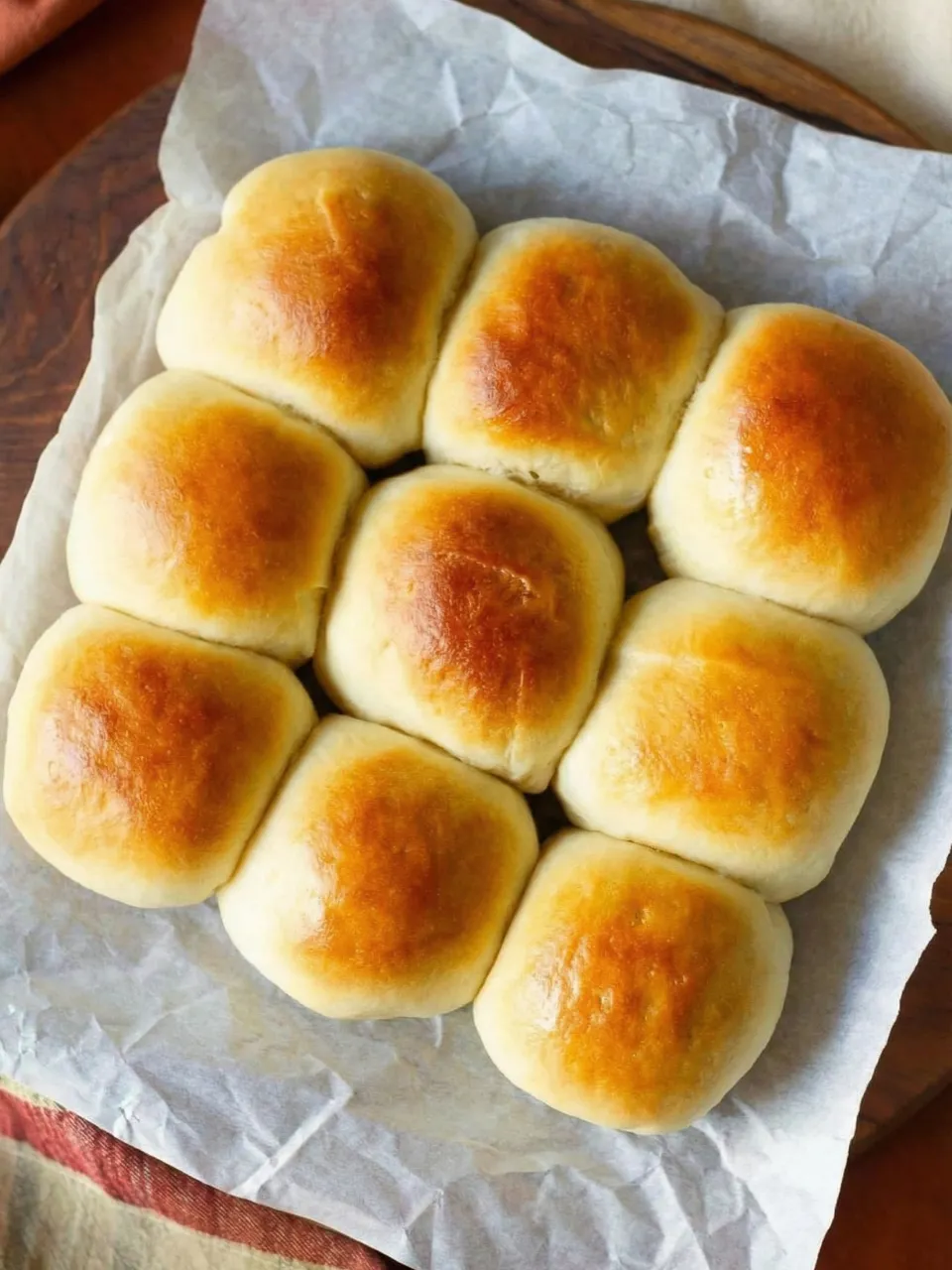
These condensed milk bread rolls create the softest, fluffiest dinner rolls you'll ever make at home. With just a handful of pantry staples, these rolls come together easily and have a rich, tender crumb that feels like a special bakery treat. They are perfect for family dinners or any time you want a comforting homemade bread.
I first made these for a weekend brunch and was amazed how everyone kept going back for more. Now they are a staple every time the craving for soft bread hits.
Ingredients
- Milk: lukewarm helps activate the yeast gently without killing it
- Dried active yeast: the magic that makes rolls rise and airy
- All-purpose flour: choose a good quality brand for the best structure
- Sugar: adds a touch of sweetness to balance the condensed milk
- Sweetened condensed milk: adds richness and tenderness, giving the rolls a subtle caramel flavor
- Butter: softened butter ensures the dough is moist and helps keep the rolls soft after baking
- Milk: for brushing on top gives a glossy golden finish before baking
- Butter: for brushing on hot rolls adds softness and shine to the crust
Step-by-Step Instructions
- Sponge Activation:
- In a small bowl combine lukewarm milk yeast and a pinch of sugar Mix gently and let it sit for 5 to 10 minutes until you see a frothy layer on top This wake-up call for the yeast is essential for fluffy rolls
- Mixing the Dough:
- Into your stand mixer bowl add all-purpose flour sugar condensed milk and softened butter Pour in the activated yeast mixture Use a spatula to combine everything until it forms a rough scraggy dough Cover the bowl with a kitchen towel and allow it to rest for 15 to 20 minutes This rest helps hydrate the flour and makes kneading easier
- Kneading the Dough:
- After resting switch on your mixer to slow speed knead for 3 to 4 minutes Then increase to medium high speed knead for 10 to 12 minutes The dough is done when it pulls away from the sides of the bowl and feels smooth soft and slightly sticky to the touch
- First Rise:
- Lightly oil a large bowl Transfer your dough there Cover with a damp kitchen towel or plastic wrap Place in a warm draft free spot Let it rise undisturbed for 60 minutes or until the dough doubles in size
- Preparing the Pan and Dough Shaping:
- Line a 9 by 9 inch square baking pan with parchment paper Turn your risen dough onto a clean work surface Punch it down gently to release air Shape the dough into a log Divide the dough evenly into nine pieces I weighed mine to about 76 to 77 grams each Shape each portion into a smooth ball and place them side by side on the prepared pan
- Second Proofing:
- Cover the shaped rolls with a damp kitchen towel Let them proof for another 30 to 45 minutes or until they puff up noticeably Preheat your oven to 200 degrees Celsius while the rolls proof
- Baking the Rolls:
- With a soft brush gently brush the tops of the rolls with a little milk Bake in your preheated oven for 20 to 25 minutes until the tops turn a beautiful golden brown
- Finishing Touch:
- Once out of the oven brush the hot rolls generously with butter This keeps the crust tender and gives the rolls a lovely shine Serve warm and enjoy fresh from the oven
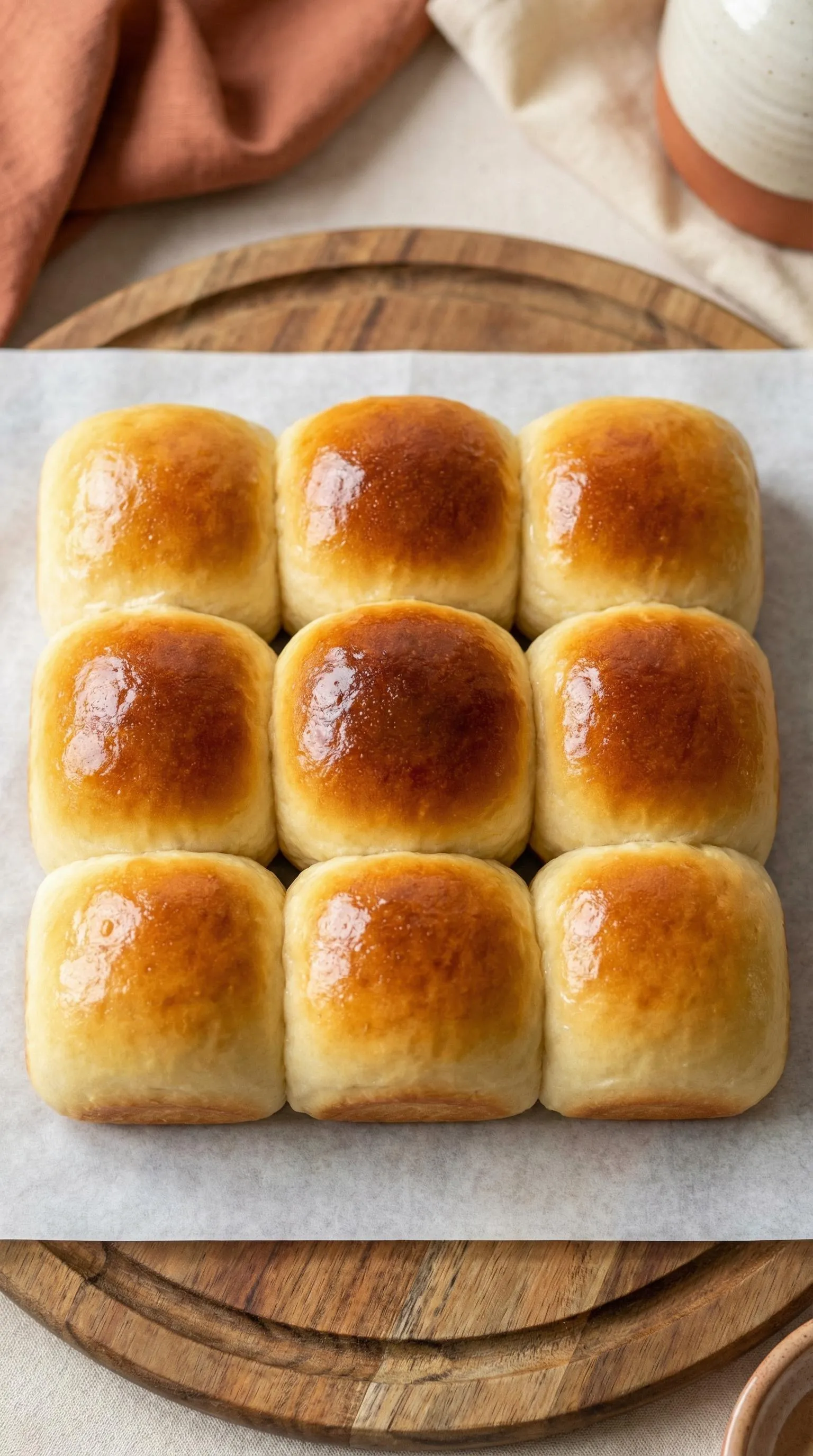
Of all the ingredients condensed milk is my secret star It adds that cozy nostalgic flavor that always reminds me of family gatherings where warm bread was never far away Rolling the dough and proofing it twice makes all the difference in softness and texture. I always make sure to give it that extra hands-on love
Storage Tips
These rolls keep best stored in a bread box or airtight container at room temperature Use microwave for a few seconds to warm before serving to bring back softness For longer storage wrap the rolls tightly in plastic wrap then foil and freeze up to three months Thaw at room temperature or gently microwave on low power
Ingredient Substitutions
You can replace the sweetened condensed milk with heavy cream and extra sugar if needed but expect a slight change in softness and sweetness Use unsalted butter if preferred just add a pinch of salt to the dough to balance the flavors Whole milk is ideal but you can substitute with 2% milk if that is what you have on hand
Serving Suggestions
These rolls taste incredible simply warm with butter but they also pair beautifully with soups stews or even as slider buns for pulled pork Try slicing and toasting leftover rolls with a smear of fruit jam or honey for a sweet breakfast treat
Cultural Context
Condensed milk bread has roots in various Asian bakeries where condensed milk is celebrated for its ability to enrich baked goods without complicating the recipe It blends western baking techniques with a sweet creamy taste much loved for comforting everyday treats
Frequently Asked Questions
- What makes these bread rolls soft and fluffy?
The combination of condensed milk, yeast fermentation, and thorough kneading develops gluten and moisture, resulting in tender, airy rolls.
- Can I use any type of flour for these rolls?
All-purpose flour works best for a balanced texture, but bread flour can give a slightly chewier result while cake flour may produce a softer crumb.
- How important is the milk temperature for activating yeast?
The milk should be lukewarm, around 100-110°F (37-43°C), to help the yeast activate without killing it, ensuring proper dough rising.
- Why brush butter on the rolls after baking?
Brushing melted butter after baking softens the crust, adds moisture, and gives the rolls a shiny, inviting finish.
- Can I prepare the dough ahead of time?
Yes, you can refrigerate the dough after the first rise and shape it later, allowing for a slower fermentation that enhances flavor.
