
 Pin it
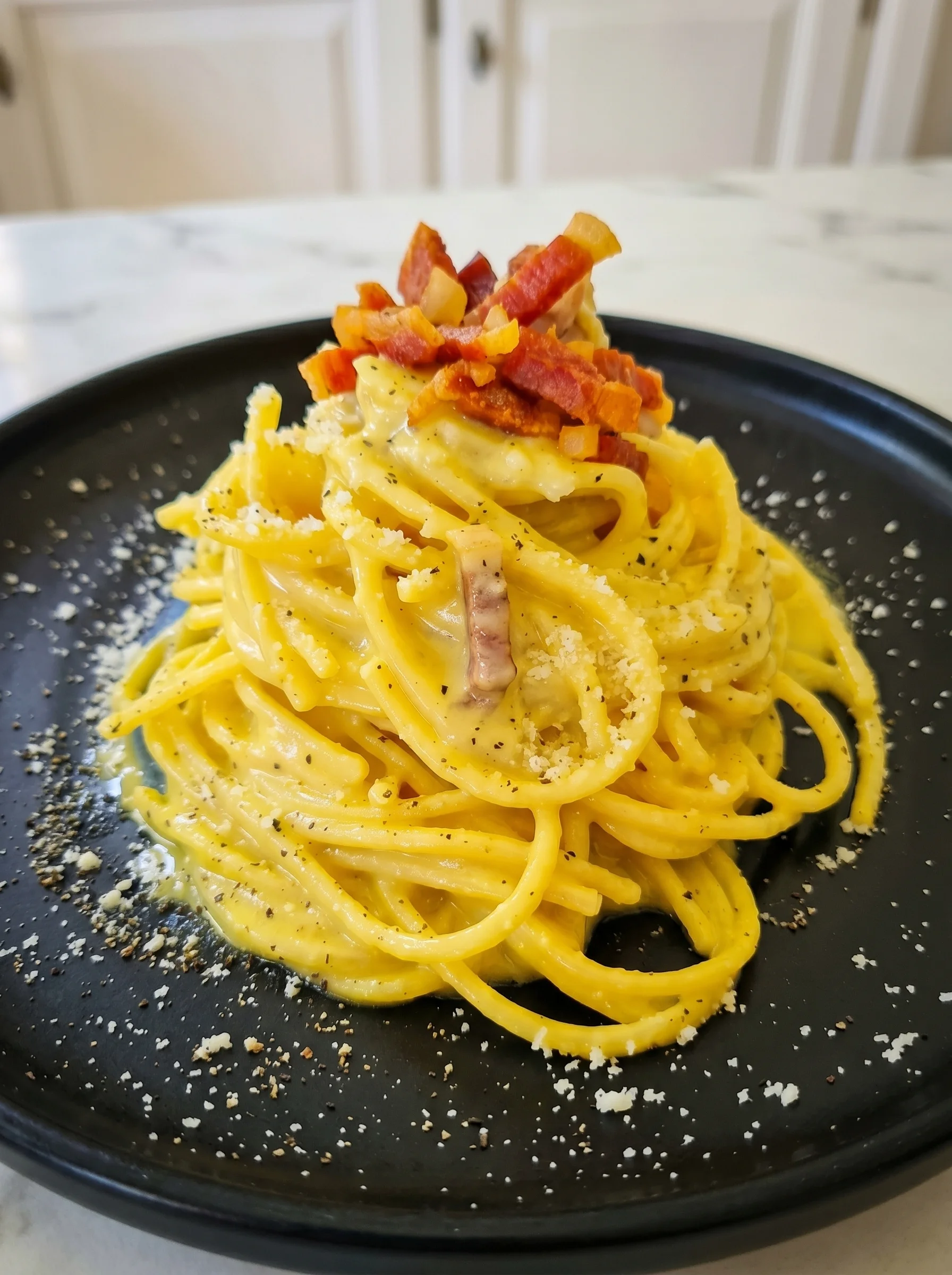
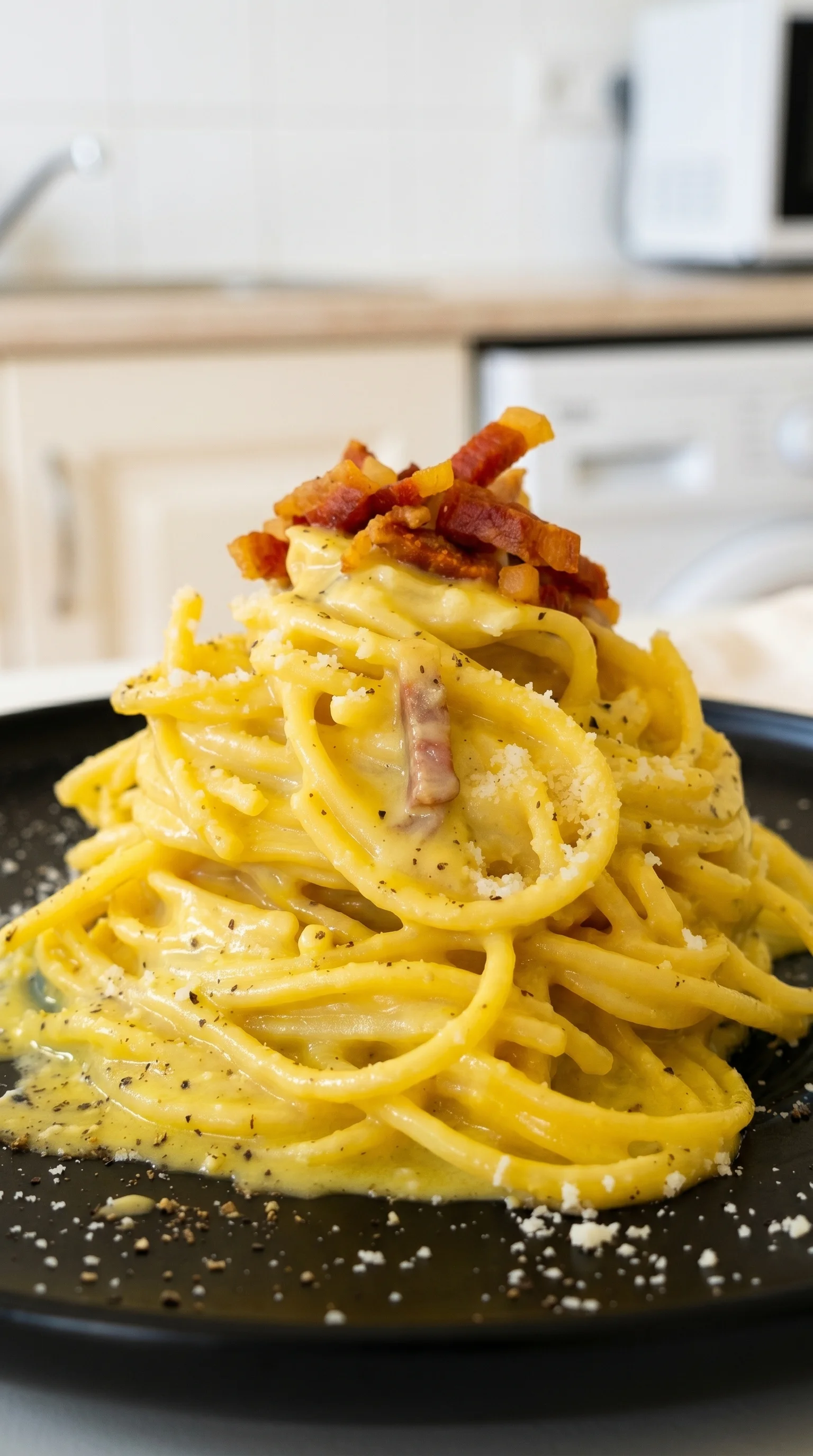
This classic Spaghetti alla Carbonara is a rich, creamy pasta dish that captures the essence of Roman cooking. It comes together with simple ingredients, relying on technique to bring out deep flavors and a silky texture. Every bite combines the saltiness of guanciale with the sharpness of Pecorino Romano and the comforting creaminess of eggs, making it a perfect dish for a cozy dinner.
I remember the first time I made carbonara for friends; their surprise at how simple and luscious it tasted made this dish a regular feature in my kitchen.
Ingredients
- Spaghetti: thick and round three hundred grams brings the hearty base that holds the sauce well
- Guanciale: two hundred grams adds a gorgeous crispy texture and deep porky flavor choose quality guanciale if you can for best results
- Eggs: four whole eggs create the creamy sauce without heaviness fresh is best to ensure flavor and safety
- Pecorino Romano: ninety grams provides sharp salty complexity grate it fresh for that perfect melt
- Black pepper: freshly cracked adds the essential spice and aroma that define carbonara’s character
- Rock salt: half a tablespoon is perfect for seasoning the pasta water coarse salt works best to flavor the pasta evenly
Step-by-Step Instructions
- Slicing and cooking the guanciale:
- Slice the guanciale into thin strips to ensure even crisping. Place it in a large fry pan on medium-low heat and cook slowly until golden brown and crisp. This renders the fat gently without burning, which is crucial since the fat flavors the entire dish.
- Resting the guanciale:
- Transfer the cooked guanciale onto a plate lined with a paper towel to absorb excess fat. Keep the rendered fat in the pan—it will season the pasta perfectly.
- Boiling the pasta:
- Fill a large pot with water, bring it to a boil and add half a tablespoon of rock salt. Add the spaghetti and cook according to package instructions, about thirteen minutes, or until al dente.
- Preparing the egg and cheese mixture:
- Separate three egg yolks into a small bowl, then add one whole egg including the whites. Beat together until smooth. Add freshly cracked black pepper generously and mix. Gradually stir in grated Pecorino Romano until it becomes a thick creamy mixture.
- Combining pasta and guanciale fat:
- Return the pan with guanciale fat to medium-low heat. Use tongs to add the drained pasta directly into the pan. Toss well to coat the pasta with the flavorful fat.
- Incorporating pasta water for texture:
- Scoop a mugful of hot pasta water and add some immediately to the pasta. The starchy water helps make the sauce silky and smooth.
- Steaming for gentle heat:
- Place the pasta pot back on the stove and rest the pan on top. The steam provides steady gentle heat so the sauce thickens without scrambling the eggs.
- Final sauce assembly:
- Add a bit more pasta water, a handful of the crispy guanciale, and the egg-cheese mixture. Stir continuously to combine and add pasta water gradually to reach the desired creamy consistency.
- Finishing touches and plating:
- Toss the pasta well until the sauce clings beautifully to each strand. Plate the carbonara, topping with extra Pecorino Romano, leftover sauce, remaining crispy guanciale, and a generous grind of black pepper.
Storage Tips
Carbonara is best eaten right away since the sauce can separate or become dry when refrigerated. If you must store leftovers, keep the pasta separate from the crispy guanciale and reheat gently with a splash of water over low heat.
Ingredient Substitutions
If guanciale is unavailable, use good quality pancetta or unsmoked thick-cut bacon but expect a slightly different flavor profile. Grana Padano cheese can substitute Pecorino Romano but will be less sharp. For a vegetarian twist, omit the pork and add sautéed mushrooms, but it won't be classic carbonara.
Serving Suggestions
Serve with a simple green salad dressed in lemon and olive oil to cut through the richness. A crisp white wine like Pinot Grigio complements the salty cheese and fatty guanciale perfectly. Fresh crusty bread is great for sopping up every last bit of sauce.
Frequently Asked Questions
- Why is guanciale used instead of bacon?
Guanciale offers a richer, porkier bite with a silky fat that renders beautifully, enhancing the sauce's depth and authenticity.
- How do I prevent the egg mixture from scrambling?
Mix the eggs off the heat and slowly combine with warm pasta and fat, using residual heat to gently thicken without curdling.
- What role does pasta water play in this dish?
Starchy pasta water helps to loosen the sauce, aiding in a smooth, creamy texture that clings perfectly to the spaghetti.
- Can Pecorino Romano be substituted?
While pecorino adds a sharp, salty flavor, aged Parmesan can work as a milder alternative if needed.
- How long should spaghetti be cooked for ideal texture?
Cook the spaghetti until al dente, typically around 13 minutes, to ensure it holds up well when tossed with the sauce.
