
 Pin it
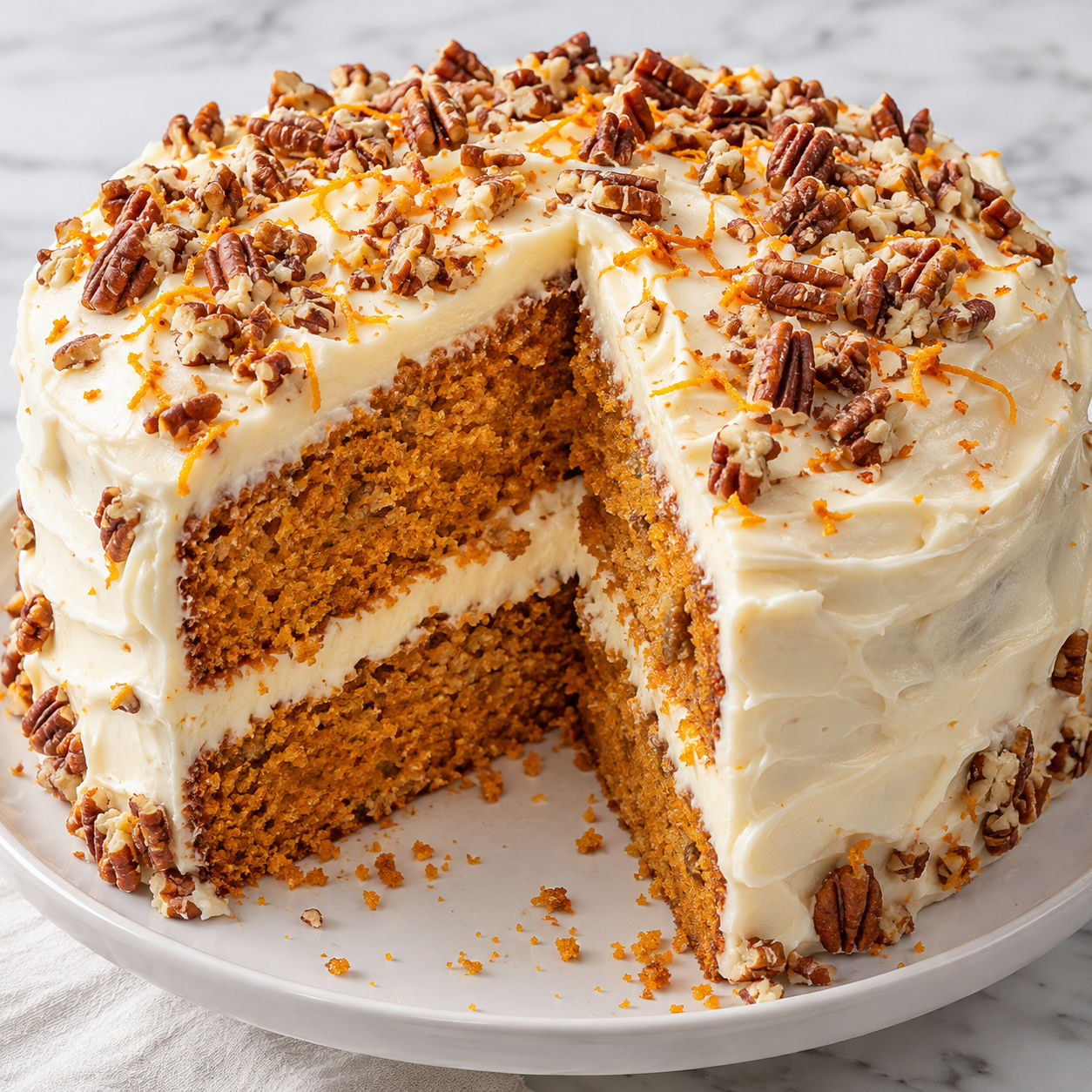
Sweet potato cake with cream cheese frosting tastes like the quiet cousin of carrot cake. It has the same warm spice and tangy frosting, but the crumb is softer and a little earthier from real mashed sweet potato.
This version bakes as two 9-inch layers, which keeps it realistic for a home kitchen. The cake is moist without being heavy, and the frosting has enough salt to keep the sweetness in check.
The cozy cake lineup
Use sweet potatoes that feel heavy for their size and have firm skins. Orange-fleshed varieties give the prettiest color and the sweetest flavor.
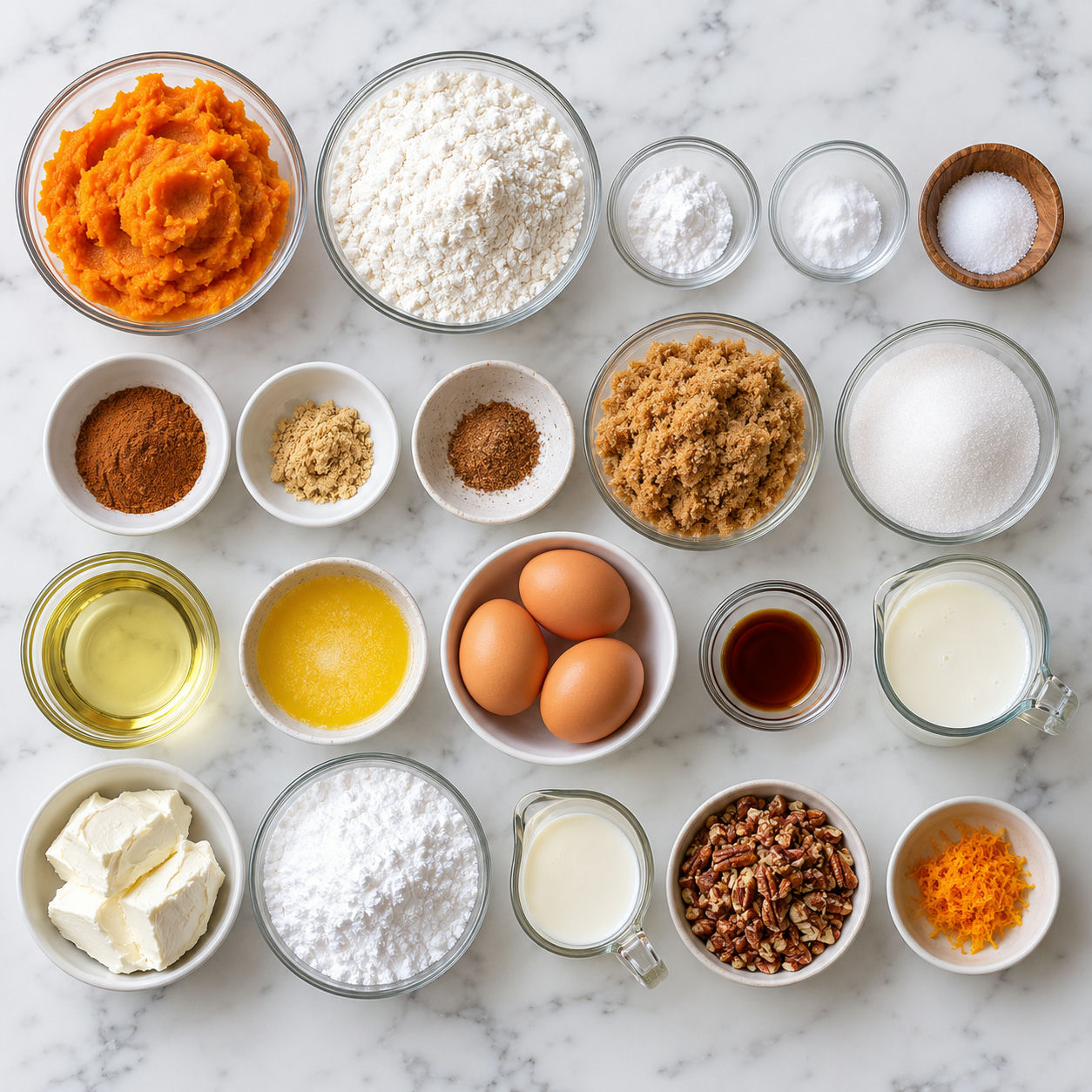
- Sweet potato puree. Adds moisture, natural sweetness, and a soft orange crumb.
- All-purpose flour. Gives the layers enough structure to stack cleanly.
- Brown sugar. Deepens the flavor and keeps the cake tender.
- Granulated sugar. Sweetens without making the crumb too heavy.
- Neutral oil. Keeps the cake moist even after chilling.
- Butter. Adds a rounded bakery flavor to the batter and frosting.
- Eggs. Help the layers rise and hold together.
- Buttermilk. Adds tang and helps the baking soda lift the cake.
- Cinnamon, ginger, and nutmeg. Give warm spice without covering up the sweet potato.
- Cream cheese. Makes the frosting tangy, sturdy, and less sugary than plain buttercream.
- Powdered sugar. Sweetens and thickens the frosting so it spreads smoothly.
- Vanilla and salt. Round out the flavor and keep the frosting from tasting flat.
Bake the sweet potato cake
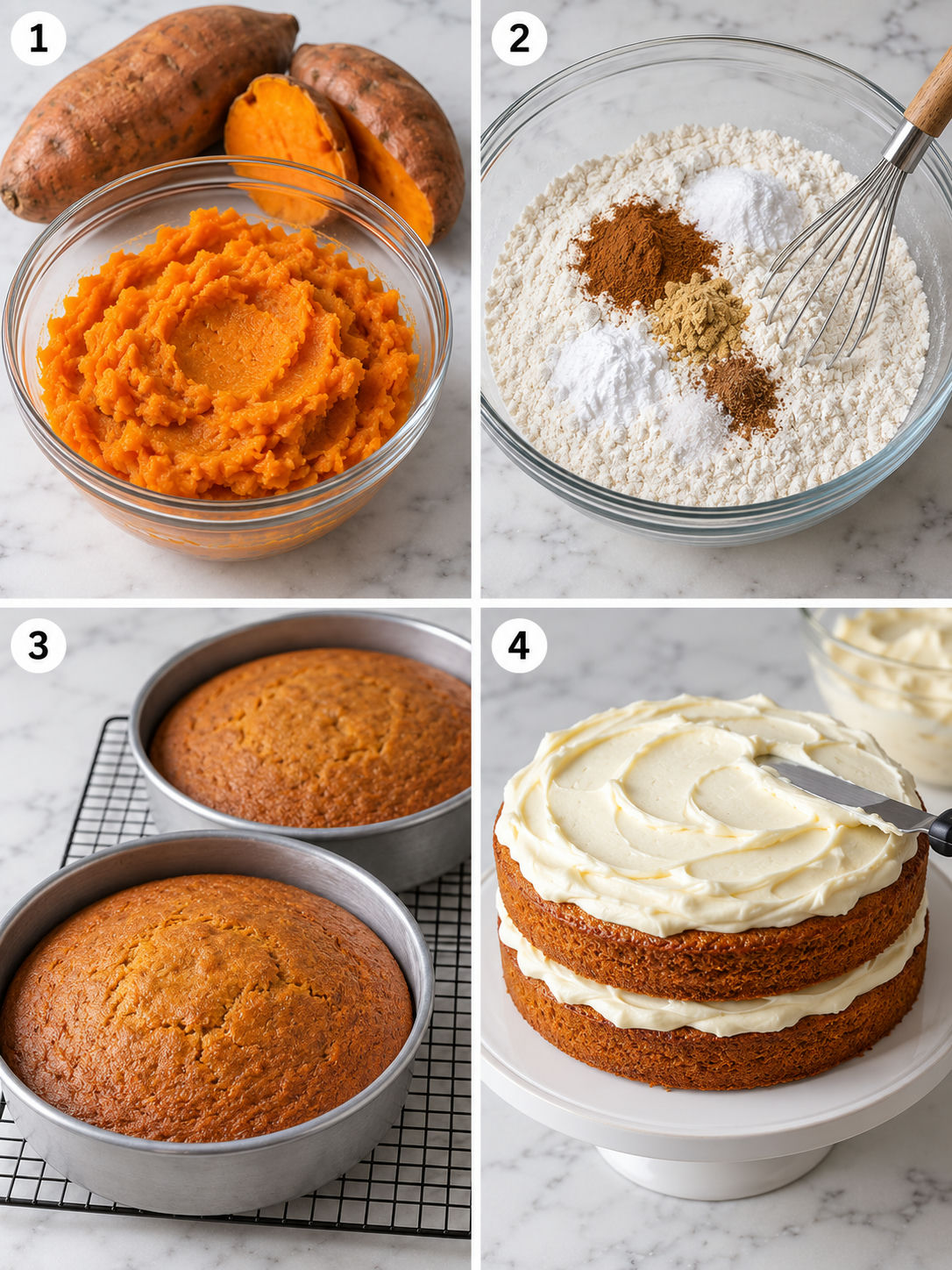
- Prepare the sweet potato. Roast or boil it until completely tender, then mash until smooth and let it cool. Warm puree can melt the fat and change the batter texture.
- Mix the dry bowl. Whisk the flour, baking powder, baking soda, salt, cinnamon, ginger, and nutmeg. This spreads the leavening evenly so the layers rise level.
- Beat the wet bowl. Whisk the sugars, oil, melted butter, eggs, vanilla, sweet potato, and buttermilk until smooth. A few tiny sweet potato flecks are fine.
- Combine gently. Fold the dry ingredients into the wet mixture just until no flour streaks remain. Overmixing can make the cake tough.
- Bake the layers. Divide the batter between prepared pans and bake at 350°F until the centers spring back and a toothpick comes out with moist crumbs.
- Cool and frost. Cool the cakes fully, then beat the cream cheese frosting until thick and smooth. Fill, frost, and chill briefly before slicing.
Mash it smooth first
The sweet potato has to disappear into the batter. Big pieces taste fine, but they leave damp pockets that can make a layer look underbaked. I like to mash with a fork, then press the puree through a fine-mesh sieve if the potato is stringy.
If you roast the sweet potato, pierce it and bake until the center collapses easily when pressed. Roasting concentrates the flavor. Boiling is faster and still works, but drain the potato well and cool it before measuring. For another dessert that leans into sweet potato flavor, try Sweet Potato Honeybun Cake or the custardy Buttermilk Sweet Potato Delight.
Keep the crumb tender
This cake gets its softness from oil, buttermilk, and sweet potato. The butter is there for flavor. That mix gives you a cake that stays moist in the fridge, which matters because cream cheese frosting needs cool storage.
Once the flour hits the wet ingredients, slow down. Fold just until the batter looks even. A few small lumps are less trouble than a tough cake. Bon Appetit uses chilled layers for neater frosting in its sweet potato cake method, and that same idea helps here. Even 30 minutes in the refrigerator makes the layers firmer and easier to handle.
Frosting that behaves
Start with room-temperature cream cheese and butter. If one is cold and the other is soft, the frosting can turn lumpy. Beat them together until completely smooth before adding powdered sugar.
Add the powdered sugar on low speed first, then beat until fluffy. A pinch of salt matters. It sharpens the tang of the cream cheese and keeps the frosting from tasting like straight sugar. If the frosting feels loose, chill it for 15 minutes. If it feels stiff, beat in cream one teaspoon at a time. Fans of tangy bakes may also like Cream Cheese Pound Cake or Carrot Cake Cheesecake Bars.
Make it your own
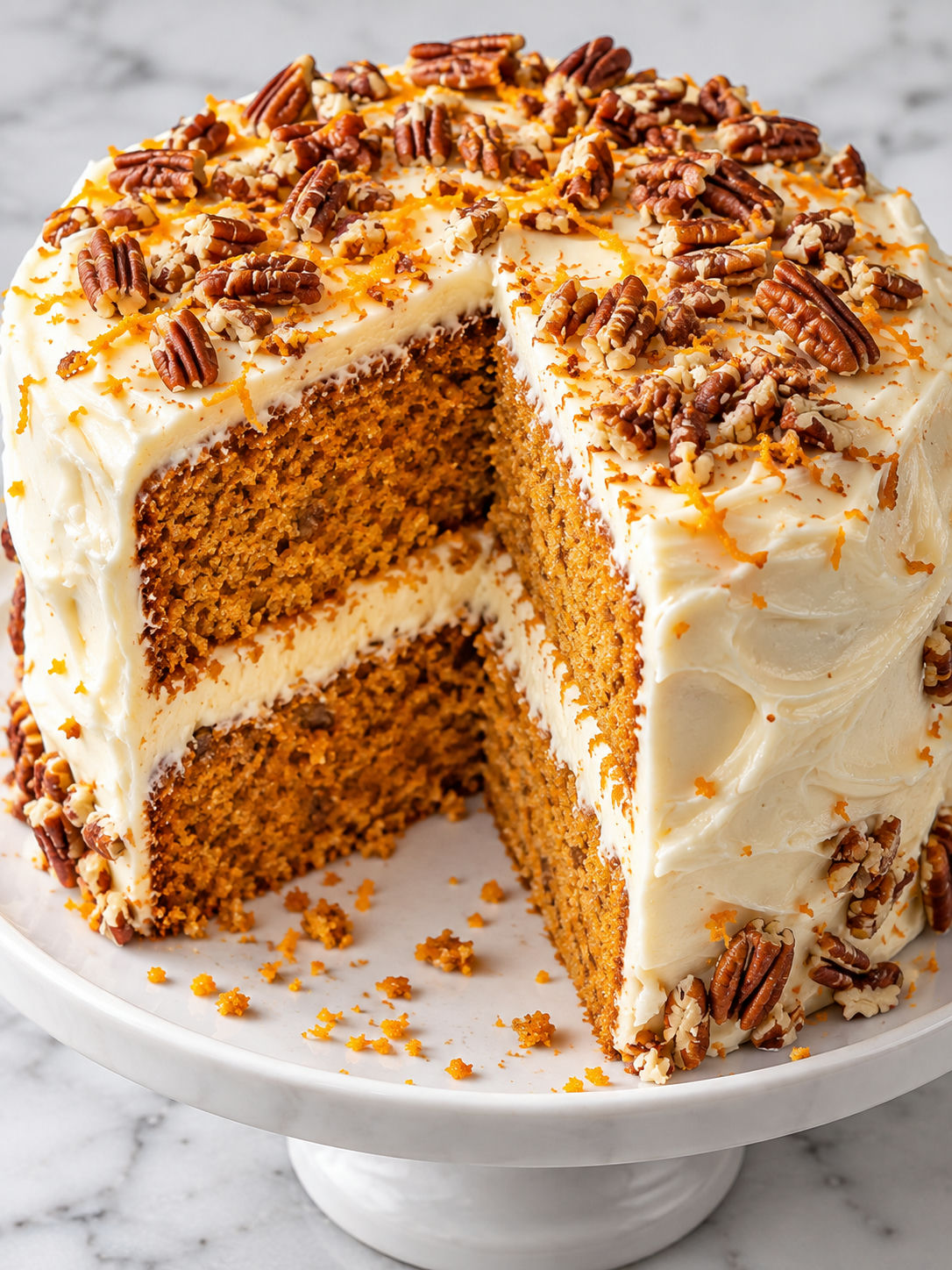
Pecans are optional, but they add a nice toasted crunch against the soft crumb. Toast them first and sprinkle them over the top rather than mixing them into the batter if you want the cleanest slices. Orange zest is also good here. It wakes up the sweet potato without making the cake taste citrusy.
You can bake this as a 9-by-13-inch cake if you want something easier to carry. Start checking around 35 minutes. The frosting can be spread right over the cooled slab. For cupcakes, fill liners about two-thirds full and check them around 18 minutes.
Storage and serving
Because this cake has cream cheese frosting, keep it covered in the refrigerator. FoodSafety.gov lists many cooked leftovers at 3-4 days under refrigeration in its cold food storage chart, and that is a sensible window for this cake too.
The cake tastes best after it sits out for 20-30 minutes. The frosting softens a little and the spice comes forward. For clean slices, chill the cake first, wipe the knife between cuts, then let the slices warm slightly on plates.
Conclusion
This cake is best chilled briefly before slicing, then served just cool or close to room temperature.
Frequently Asked Questions
- Can I use canned sweet potato puree?
Yes. Use plain canned sweet potato puree, not sweet potato pie filling. If it looks watery, drain it in a fine-mesh sieve for a few minutes so the cake batter does not loosen too much.
- Is roasted sweet potato better than boiled?
Roasted sweet potato gives a deeper flavor and a thicker puree. Boiled sweet potato works too, but let it drain and cool before mashing so it does not add extra water to the cake.
- Can I make the cake layers ahead?
Yes. Bake the layers one day ahead, cool them fully, wrap them well, and refrigerate. Cold layers are easier to frost and less likely to shed crumbs into the cream cheese frosting.
- Why did my cake turn dense?
The usual cause is too much flour or overmixing after the dry ingredients go in. Spoon and level the flour if you are using cups, and stop mixing as soon as the batter looks even.
- Does this cake need to be refrigerated?
Yes. Because the frosting is made with cream cheese, store the finished cake covered in the refrigerator. Let slices sit at room temperature for 20-30 minutes before serving for the best texture.
- What can I use instead of buttermilk?
Use the same amount of whole milk mixed with 2 teaspoons lemon juice or white vinegar. Let it stand for 5 minutes before adding it to the batter.
