 Pin it
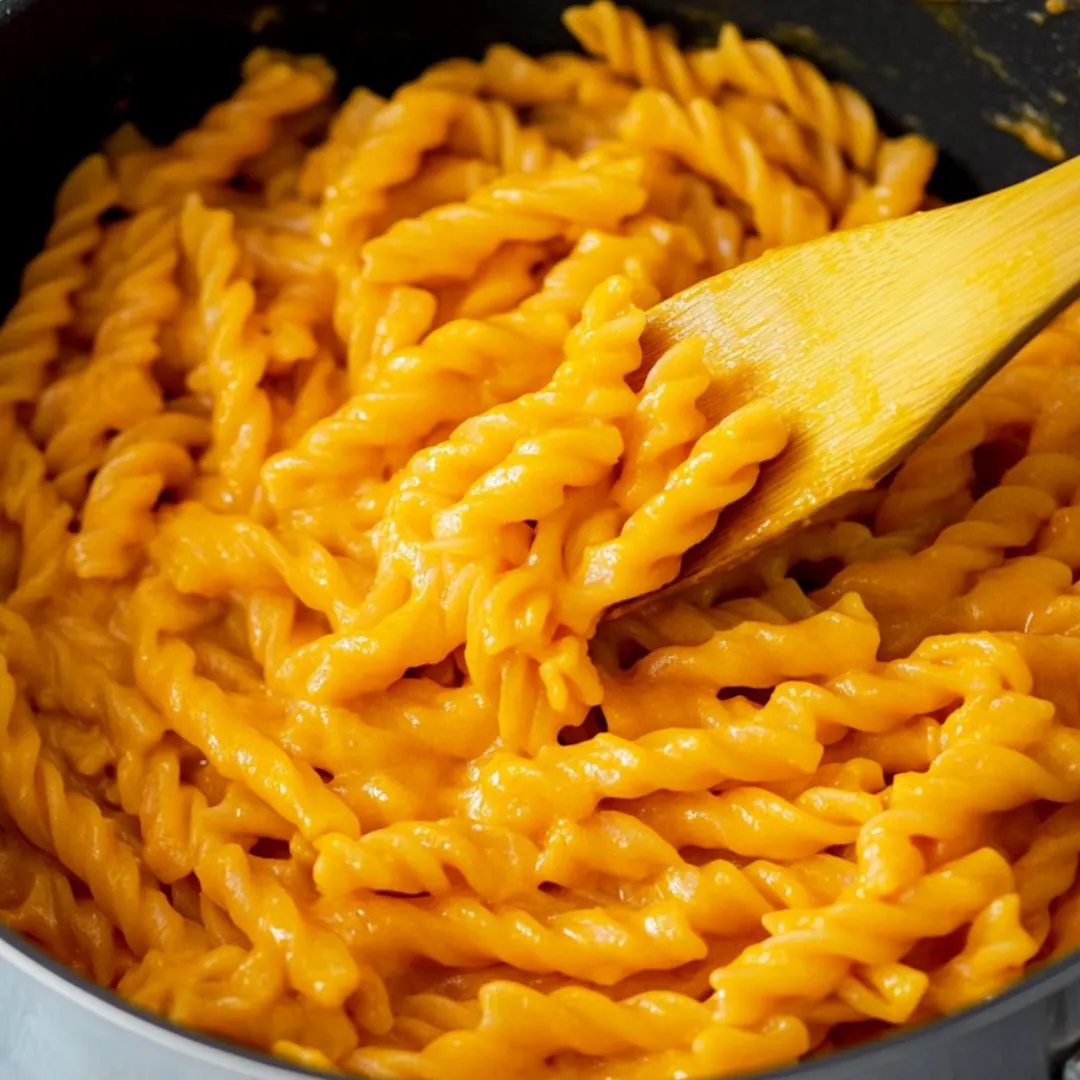
When I want a comforting pasta sauce that feels creamy and decadent without any dairy, this butternut squash pasta sauce is always my go to. It captures the richness of fall flavors and transforms simple vegetables into a velvety sauce that wraps perfectly around each strand of pasta. You would never guess how easy it is to make or that it is loaded with nourishing ingredients.
The first time I served this at a big family dinner, everyone asked for seconds and could not believe it was vegan. Even my most pasta loving friends are hooked and use it to sneak in extra veggies for kids.
Ingredients
- Frozen diced butternut squash: brings naturally sweet and velvety body to the sauce. Look for evenly sized cubes with bright orange color and use fresh if you have it for even deeper flavor
- Fresh chopped tomatoes: supply acidity and brightness. Choose ripe tomatoes that feel heavy for their size and smell fragrant
- Yellow onion: adds savory depth and natural sweetness. Look for firm onions with papery skin
- Olive oil: helps roast the veggies for rich caramelization and carry the flavors. Choose extra virgin for best taste
- Salt and black pepper: enhance every other flavor. Use kosher salt and freshly cracked pepper if possible
- Dried thyme: gives the sauce its subtle earthy note. Crush it between your fingers before adding to bring out aroma
- Pasta: forms the base for this dish. Any shape works well but I love short ridged shapes to catch the sauce
- Reserved pasta water: helps blend everything silky smooth and gives just the right consistency
Step-by-Step Instructions
- Prep the Vegetables:
- Chop the onion and tomatoes and scatter them with the frozen butternut squash on a parchment lined baking sheet. Drizzle with olive oil and season with salt pepper and thyme. Toss everything really well to coat each piece so you do not miss any flavor
- Roast Until Tender:
- Roast the veggie mixture in a hot four hundred fifty degree oven for twenty minutes. The high heat lets everything caramelize and brings out that natural butternut sweetness. The onions should look lightly golden and smell positively delicious
- Cook the Pasta:
- While the veggies roast bring a big pot of salted water to a boil and cook your pasta just until al dente. Before draining scoop out about one third cup of the starchy pasta water and set it aside for the sauce
- Blend the Sauce:
- Combine the hot roasted veggies and reserved pasta water in your blender. Blend until completely smooth. Scrape down the sides a couple of times so you do not miss any little bits this makes the sauce irresistibly creamy without dairy
- Dress and Serve:
- Pour the golden sauce over drained hot pasta and toss gently to coat every noodle. For extra creaminess top with a sprinkle of parmesan or your favorite plant based cheese. Serve immediately for the best texture

My favorite thing is how the edges of the butternut squash get golden and almost caramelized in the oven. Sometimes I sneak a roasted piece or two from the pan before blending because that flavor is just so good on its own. My family laughs when they catch me doing it but they agree it is impossible to resist
Storage Tips
Leftover sauce keeps beautifully in the fridge for up to four days. Store the sauce and pasta separately if planning ahead to avoid soggy noodles. When reheating add a splash of water or broth and warm gently on the stove while stirring to revive the silky texture
Ingredient Substitutions
You can swap fresh tomatoes for a drained can of diced tomatoes in a pinch. A chopped shallot or leek works well in place of onion for a touch of sweetness. For extra spice add a pinch of red pepper flakes to the roasting vegetables. If you only have fresh butternut squash roast until you can easily pierce with a fork before blending
Serving Suggestions
Toss in some sautéed spinach or peas for a complete meal in one bowl. It is delicious with a side salad of bitter greens and roasted walnuts. For a richer dish add a swirl of cashew cream or serve with garlic bread. This sauce is also great as a base for baked pasta or over roasted vegetables

A Nod to Its Roots
Butternut squash is a classic in many fall and winter dishes thanks to its long storage and natural sweetness. While Italians have long made creamy pasta sauces from vegetables and nuts this version shines for how easily it comes together and for its plant based simplicity that everyone at the table can enjoy
Frequently Asked Questions
- Can fresh butternut squash be used instead of frozen?
Absolutely! Just peel and cube fresh butternut squash before roasting as directed. Cooking time may stay the same.
- What type of pasta works best for this sauce?
Any pasta shape pairs well, but penne, rigatoni, or spaghetti are especially good at catching the creamy sauce.
- How can I make this dish gluten-free?
Simply use your favorite gluten-free pasta to enjoy all the flavors without the gluten.
- Is there a substitute for the dried thyme?
Try dried oregano, basil, or Italian seasoning for a different herbal note in the sauce.
- How do I store leftovers?
Keep leftovers in an airtight container in the refrigerator for up to 3 days. Reheat gently before serving.